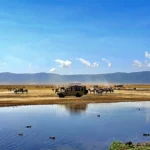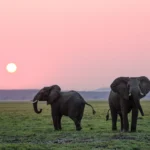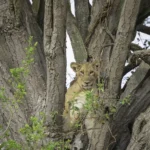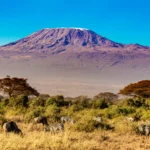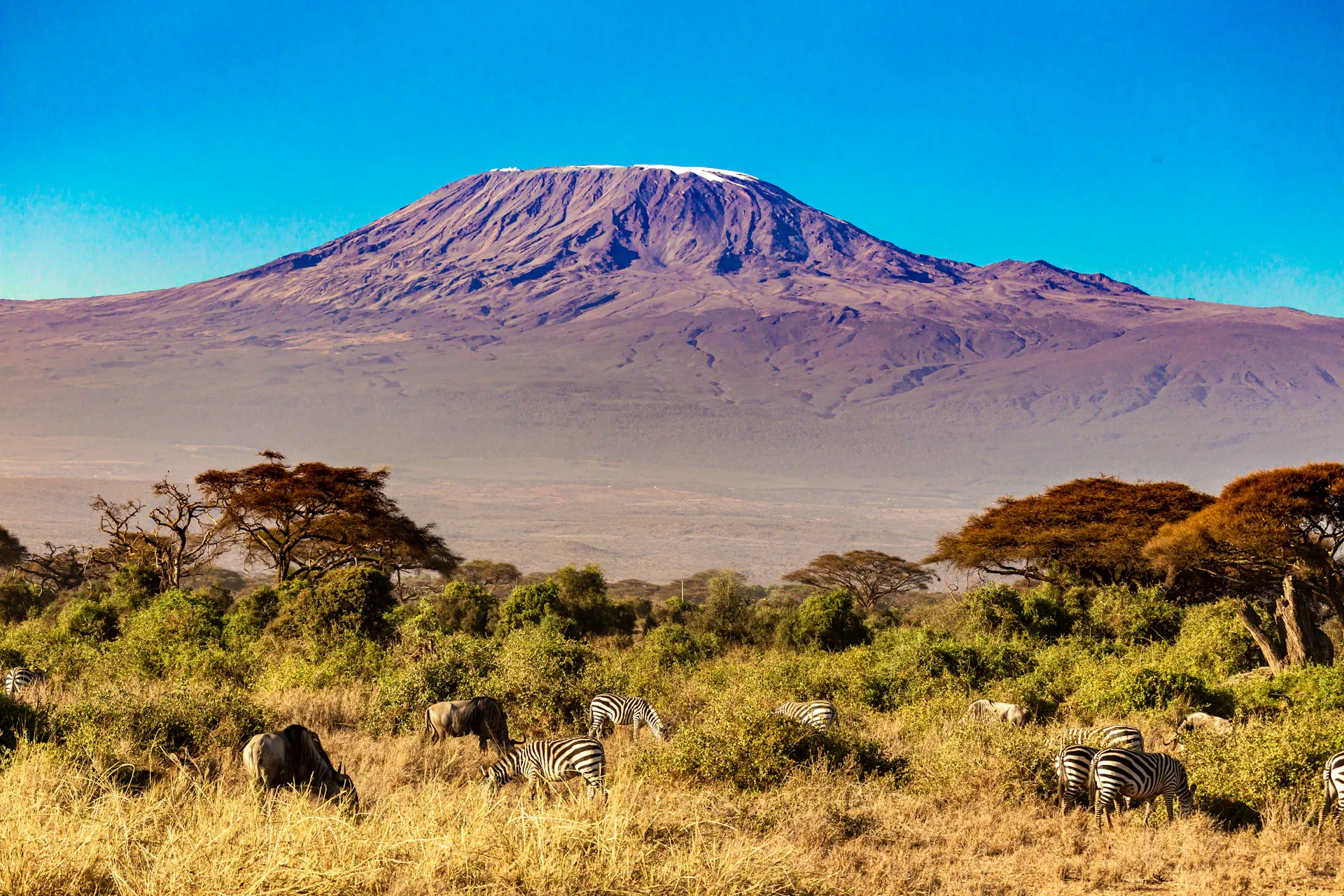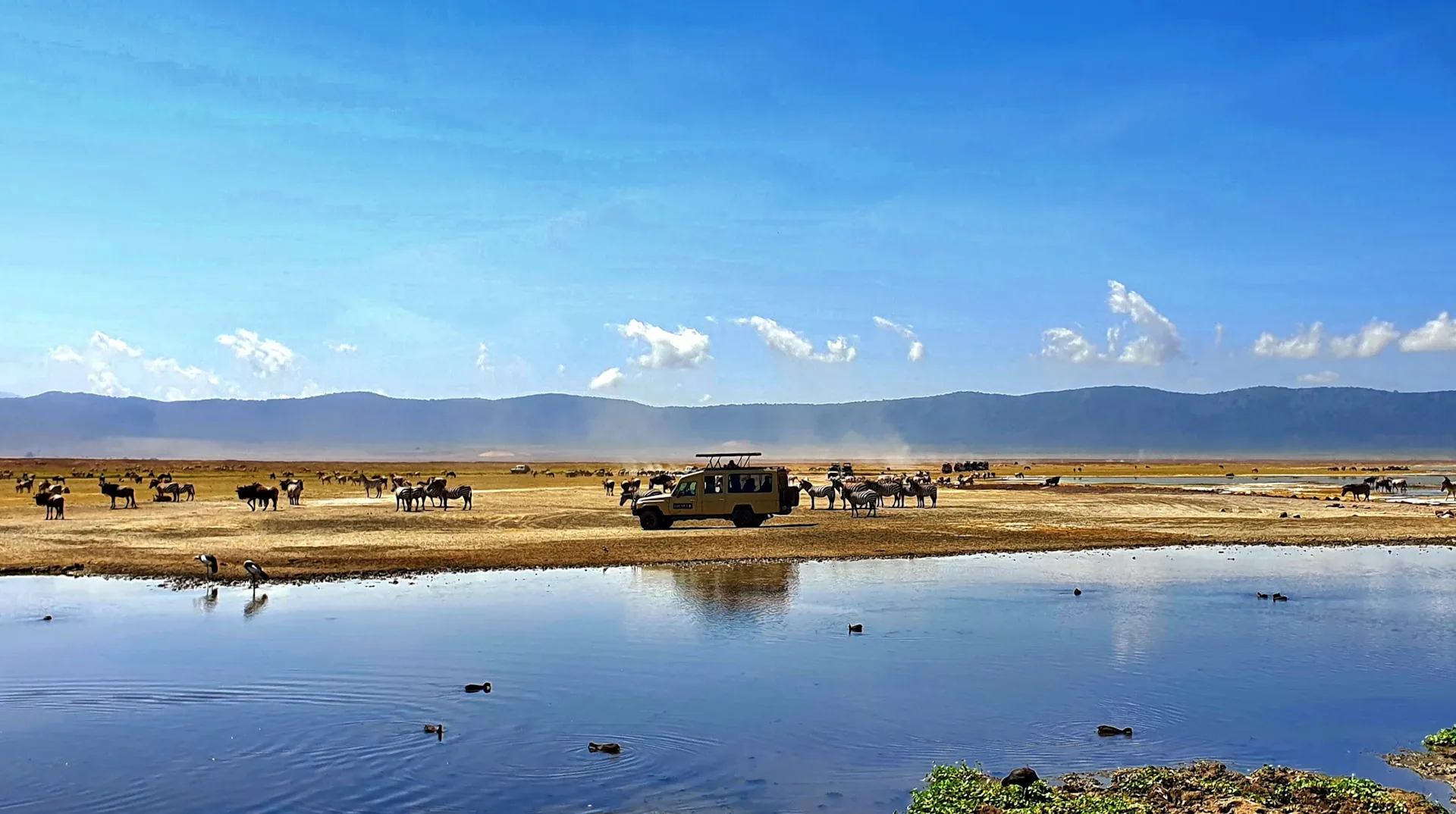

Tanzania gives you the Serengeti, the Ngorongoro Crater and the roof of Africa in Kilimanjaro, then lets you finish with your feet in the Indian Ocean. It is the country most people picture when they imagine a safari: endless plains, big herds and cats on the move, in parks so large that a sighting is often yours alone.
The north is the classic circuit. Tarangire has the big elephant herds and the baobabs, Lake Manyara the forest and the flamingos, Ngorongoro the wildlife-packed crater, and the Serengeti the plains and the Great Migration. In the south, Nyerere and Ruaha are wilder and quieter, with boat and walking safaris. In the far west, Mahale and Katavi are for travellers who want chimpanzees on a beach and a wilderness with almost no one in it.
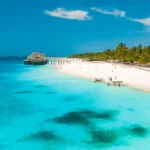
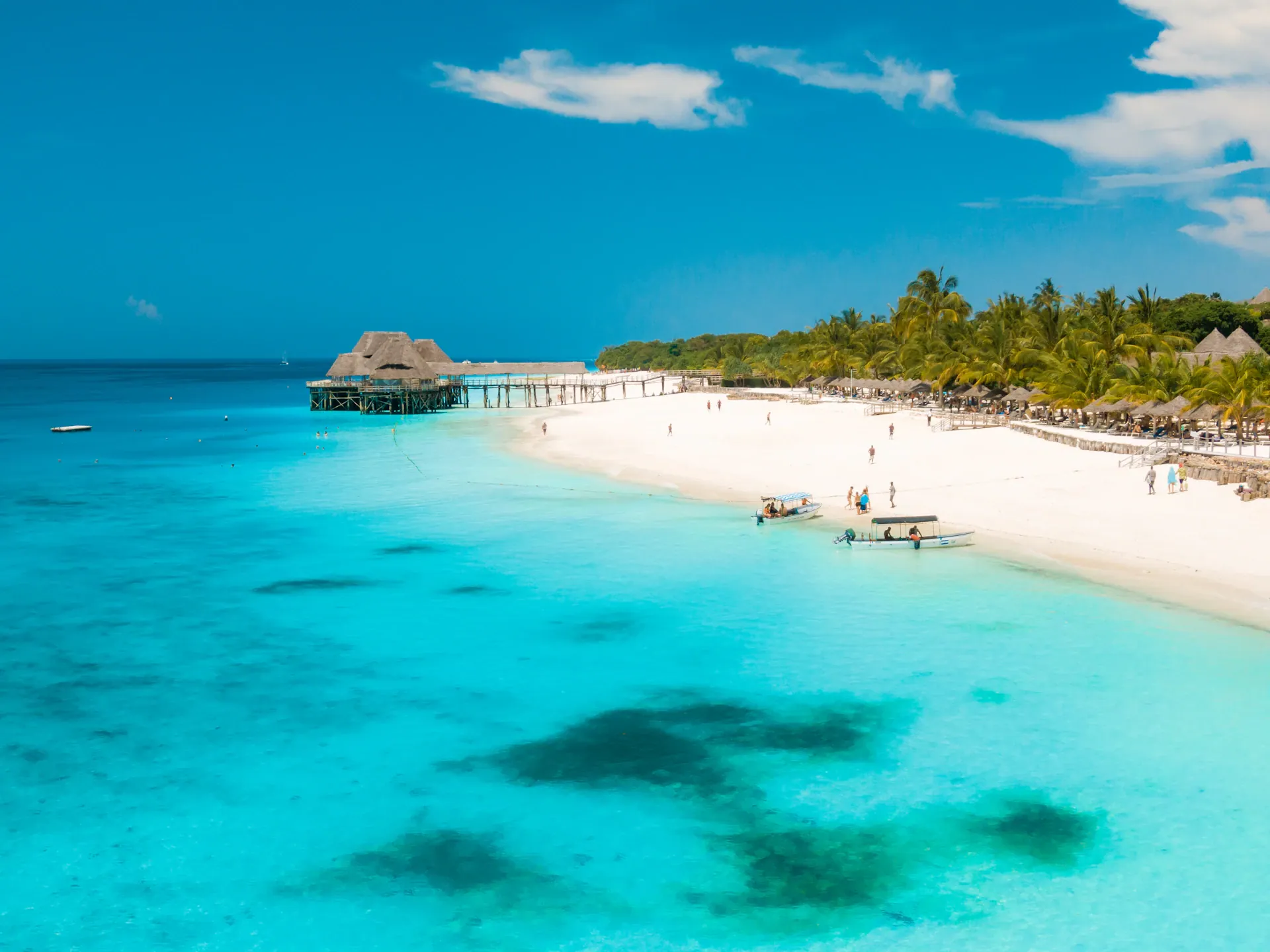
We shape each trip around what matters to you, often pairing a northern circuit with a flight to a quiet southern camp, and we like to finish with something slow: the old lanes of Stone Town or a quiet beach on Zanzibar.
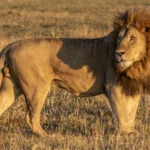
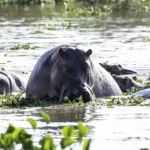
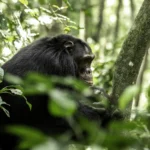
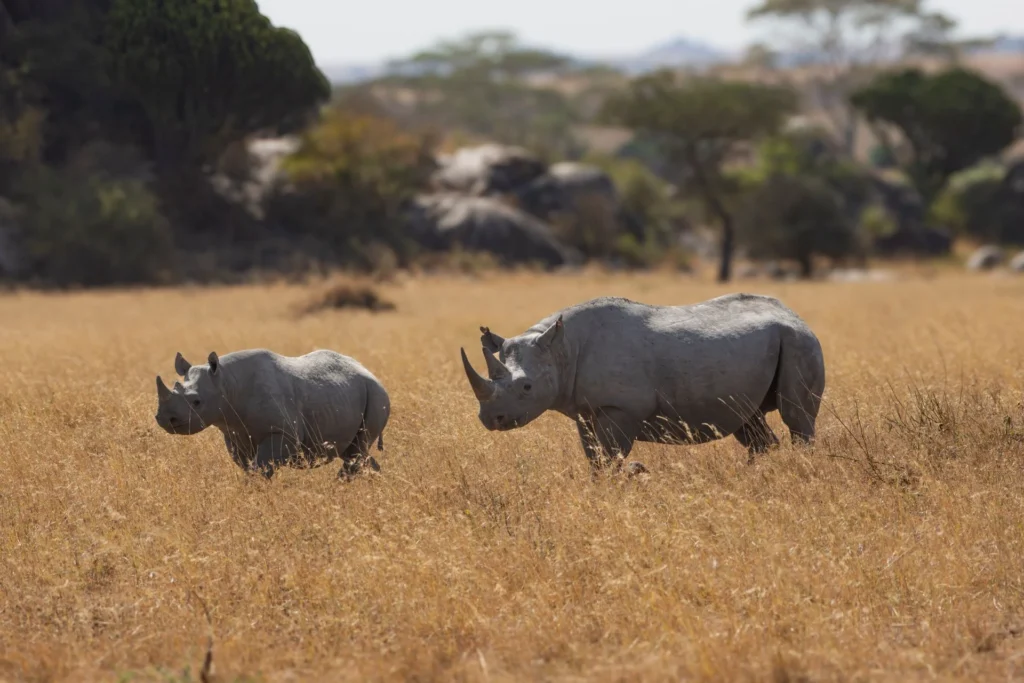
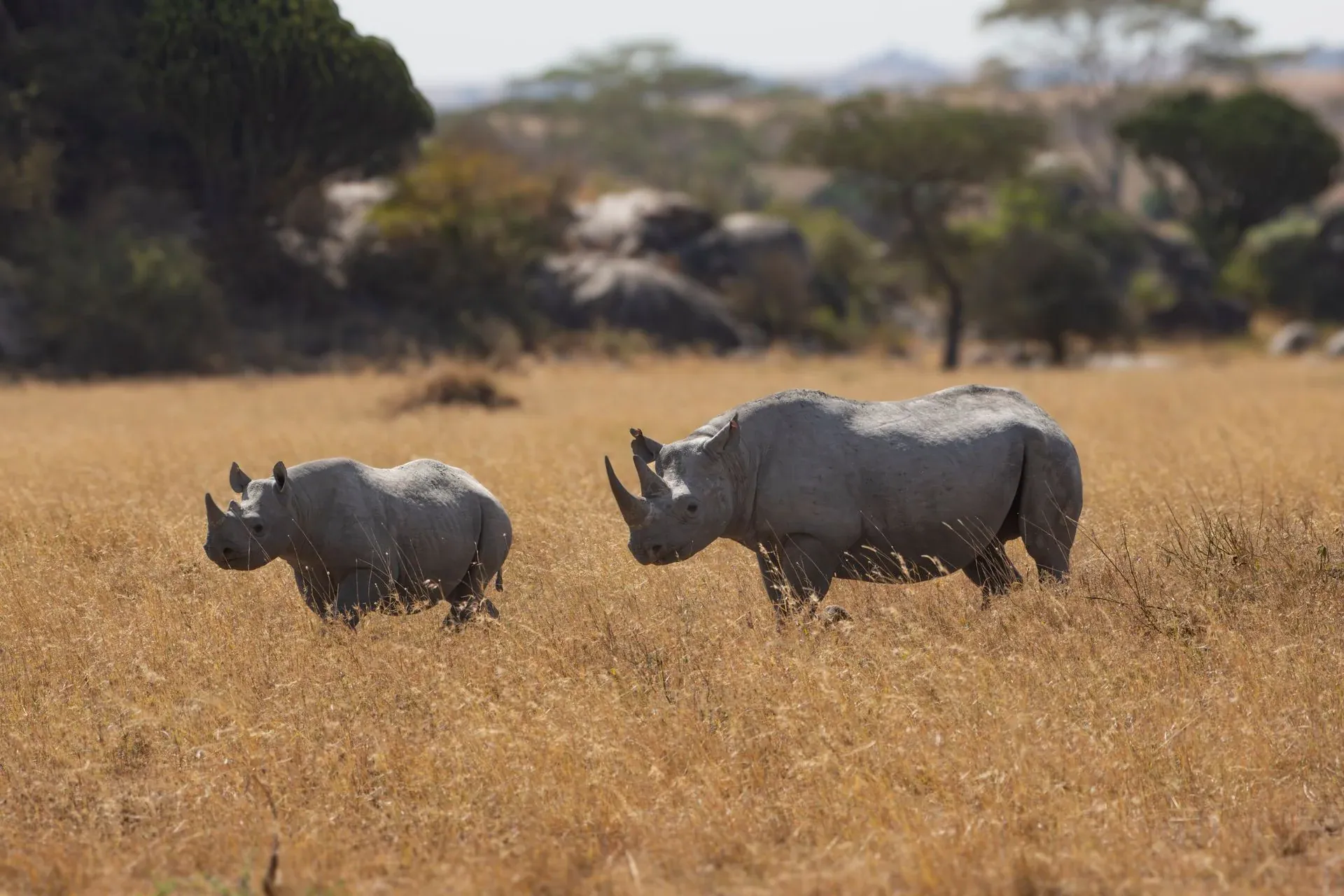
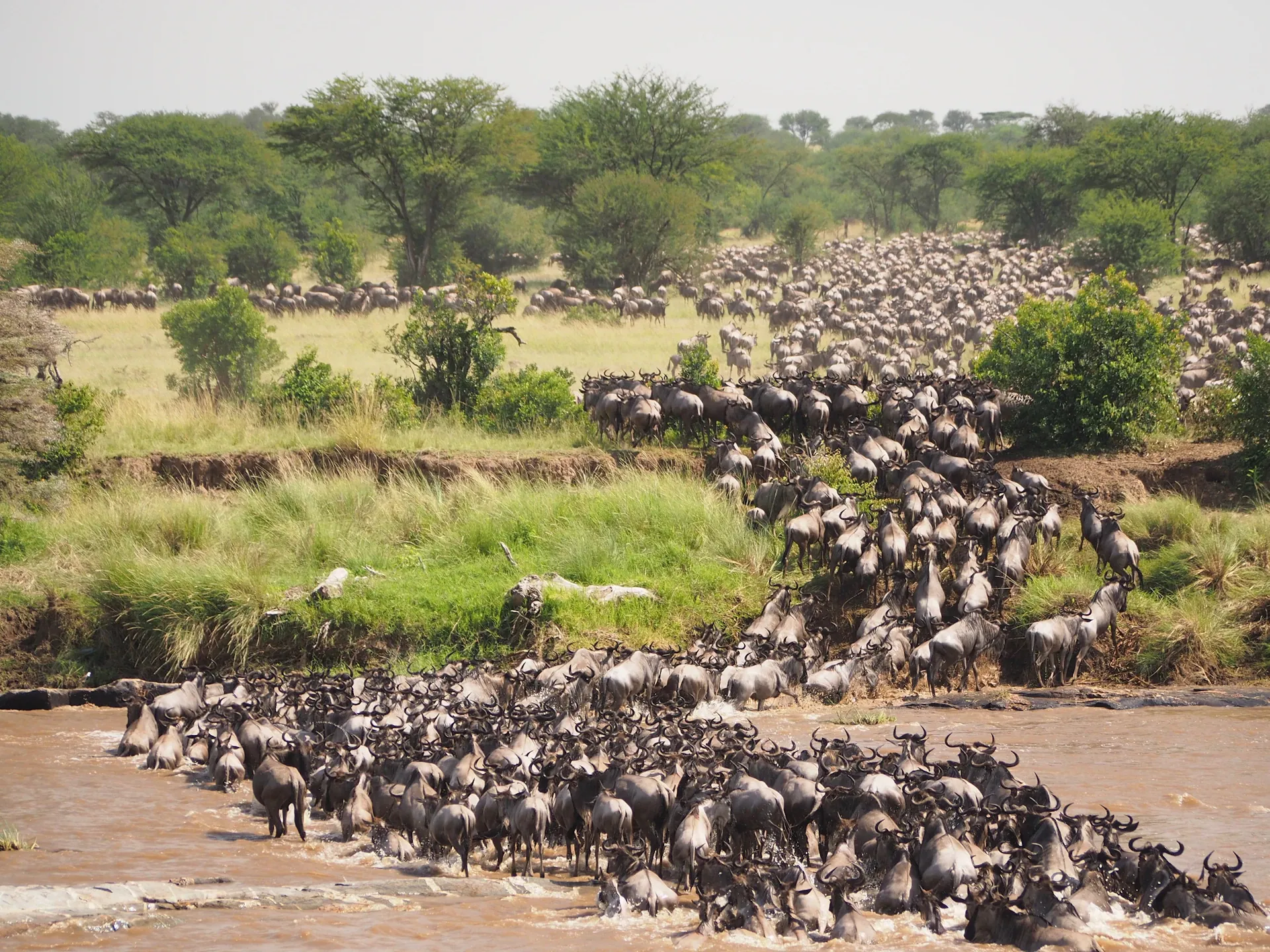
Tanzania has some of the highest concentrations of large mammals in Africa. The Serengeti ecosystem holds well over a million wildebeest, along with zebra, gazelle and the predators that follow them, while Ngorongoro Crater holds thousands of animals in a single caldera, including black rhino. Tarangire is known for its elephants, Ruaha and Nyerere for lion, wild dog and elephant, and Mahale for wild chimpanzees on the shore of Lake Tanganyika.
Chance of seeing
Our estimate for a stay of two or three nights with a good guide. Wildlife is wild, so nothing is promised.
Popular activities
Tanzania spans the coast, the high plains and the mountains, so the weather varies. The northern parks sit between 1,000 and 2,000 metres and are warm by day and cool at night, with the Ngorongoro highlands much colder. The coast and Zanzibar are hot and humid, and the southern parks are hot in the dry season.
| Month | Day °C | Night °C | Rain mm |
|---|---|---|---|
| Jan | 28 | 17 | 70 |
| Feb | 28 | 17 | 80 |
| Mar | 27 | 17 | 170 |
| Apr | 26 | 17 | 270 |
| May | 25 | 15 | 125 |
| Jun | 25 | 13 | 20 |
| Jul | 24 | 12 | 10 |
| Aug | 25 | 13 | 10 |
| Sep | 27 | 14 | 15 |
| Oct | 28 | 15 | 25 |
| Nov | 28 | 16 | 80 |
| Dec | 28 | 17 | 100 |
Approximate long-term averages. Higher ground is cooler, and forests can rain in any month.
There are two dry seasons: a long one from June to October and a shorter one from January to February. Days are sunny and mostly clear, nights in the highlands are cold, and game gathers at the water.
The long rains fall from March to May, with April usually the wettest month, and the short rains come in November and December. Showers are often brief and the landscapes turn green, but some roads become difficult and a few camps close.
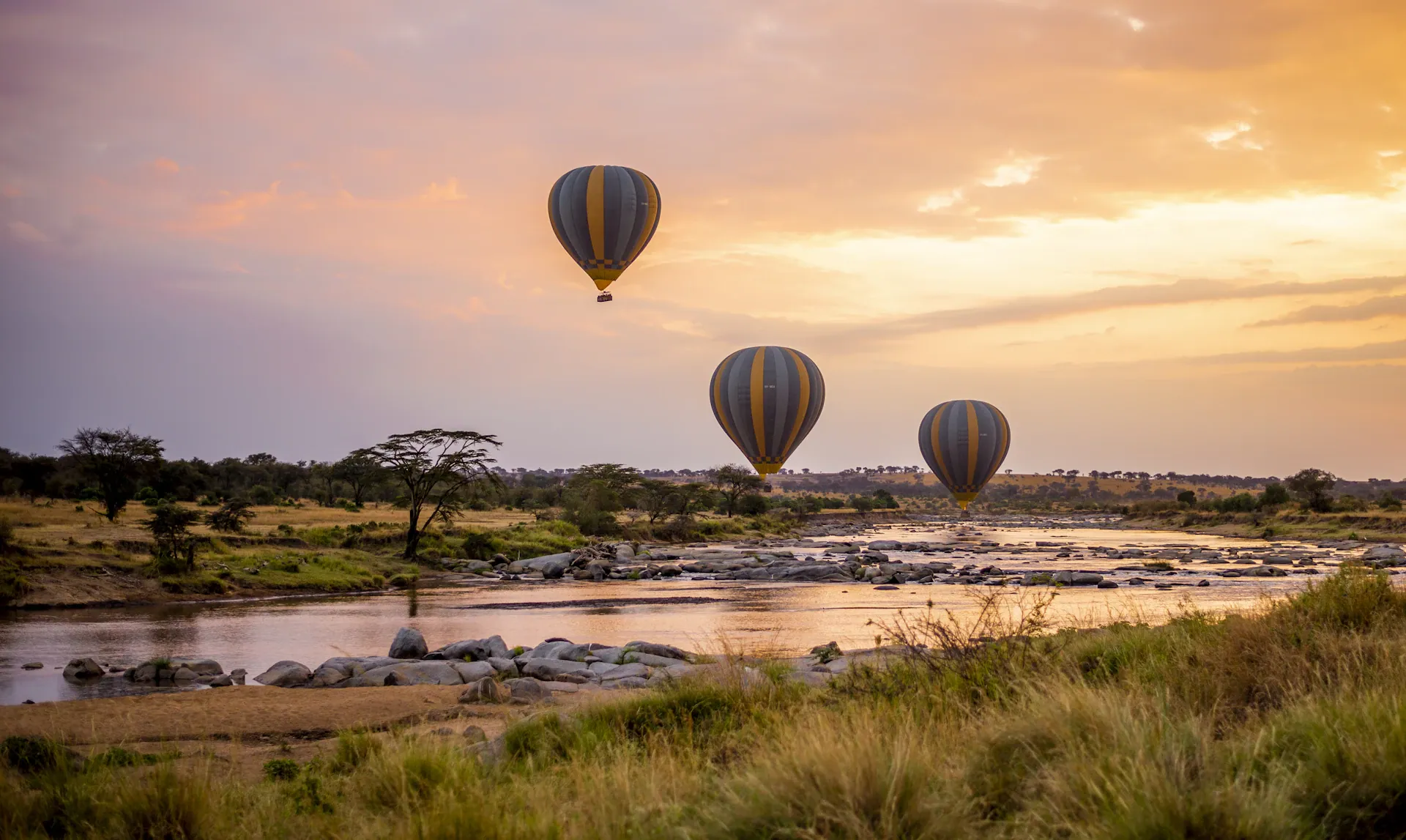
June to October is the classic dry season, with the best game viewing and the herds in the northern Serengeti from July to October. January and February are also excellent, with calving on the southern plains. March to May are the long rains, when some camps close and prices drop, and November and December bring the short rains. The coast is best from December to March and from June to October.
Best time to visit Jan to Feb, Jun to Oct
National ParkSerengeti National ParkThe Great Migration14 safaris
Wildlife Reserve & SanctuaryNgorongoro Conservation AreaA day on the crater floor16 safaris
National ParkTarangire National ParkBaobabs and big elephant herds11 safaris
National ParkLake Manyara National ParkGroundwater forest and flamingo shores8 safaris
National ParkKilimanjaro National ParkStanding on the roof of Africa2 safaris
National ParkRuaha National ParkBig lion prides in the wild south3 safaris
National ParkNyerere National ParkBoat safaris on the Rufiji River3 safaris
National ParkRubondo Island National ParkChimpanzees on a Lake Victoria island1 safari
National ParkSaadani National ParkWhere the bush meets the beach1 safari
Beach & CoastZanzibarStone Town and white-sand beaches7 safaris
City & TownArushaGateway to the northern safari circuit24 safaris
City & TownDar es SalaamGateway to southern Tanzania6 safaris
City & TownMwanzaRock-strewn port on Lake Victoria1 safariMost travellers arrive at Kilimanjaro International Airport, about 45 minutes from Arusha, the gateway to the northern parks. Julius Nyerere International Airport in Dar es Salaam serves the south and the coast, and Zanzibar has its own international airport. Scheduled and charter flights link the parks, including Arusha to the Serengeti and Dar es Salaam to Nyerere and Ruaha, and we combine road and air to keep your days for wildlife.
Most visitors need a visa, which can be applied for online before you travel. Park and conservation area fees are charged per person per day and are included in our safaris. Please carry a yellow fever certificate if you arrive from a country with a risk of yellow fever, and check the current rules for your nationality.
A yellow fever certificate is required if you arrive from a country with a risk of yellow fever, so please carry it with your passport. Please talk to your doctor about vaccinations and malaria prophylaxis, and carry travel insurance that covers medical evacuation. The lodges we use have good first-aid arrangements and evacuation plans, even in the most remote camps.
Our take
“Choose your balance”
We always suggest choosing your balance between the north and the south. The northern circuit is easy and unforgettable, but the south is quieter and wilder, and a short flight is all that separates them. Spend at least three nights in the Serengeti, two in Ngorongoro or Tarangire, and keep a few days for the coast if you have them. If the herds are your priority, tell us your travel month early, because we choose camps around where the animals will be.
Safaris from
US$846 per person
Plan your time in Tanzania
Every safari we run is private and built around you. Tell us your dates and what you hope to see, and we will shape the route, the lodges and the permits.

Made to measure
Tell us how you like to travel and we will build a private journey around it: the right lodges, the right pace and the permits already in hand.
Start planningCookies
Essential cookies keep this site working. With your permission we also remember the safaris and places you have viewed. You can change your mind any time from Cookie settings in the footer.