
Travel guide

Kenya

The classic safari country

  • Best Jan to Feb, Jun to Oct
  • 18 parks and places
  • 40 safaris
See 40 Kenya safaris
Safaris from
US$179 pp
Best time to go
Jan to Feb, Jun to Oct
High season
Jul to Oct, Dec to Feb
Size
580,367 km²
Altitude
0 to 5,199 m

Overview

Kenya is the safari most people picture first: acacia plains, big cats at dawn and herds crossing a river, with Kilimanjaro floating above the elephants of Amboseli. It is also a country of surprises, from the rhinos of Lewa and Ol Pejeta to the dry north of Samburu, the white beaches of the coast and the snow on Mount Kenya, on the equator.

The Masai Mara is the headline, and its migration season is one of the great wildlife events on earth. Around it sit Lake Nakuru, Amboseli, Tsavo and the private conservancies of Laikipia, each with its own character, and the distances are short enough to combine several in a week, often with short flights.

We shape each trip around what matters to you, often pairing the Mara with a conservancy for walking and night drives, and finishing on the coast, where Diani and Lamu give the trip a slow and beautiful ending.

Pros and cons

  • Pro: The Masai Mara and the Great Migration
  • Pro: The best private conservancies in Africa, with walking and night drives
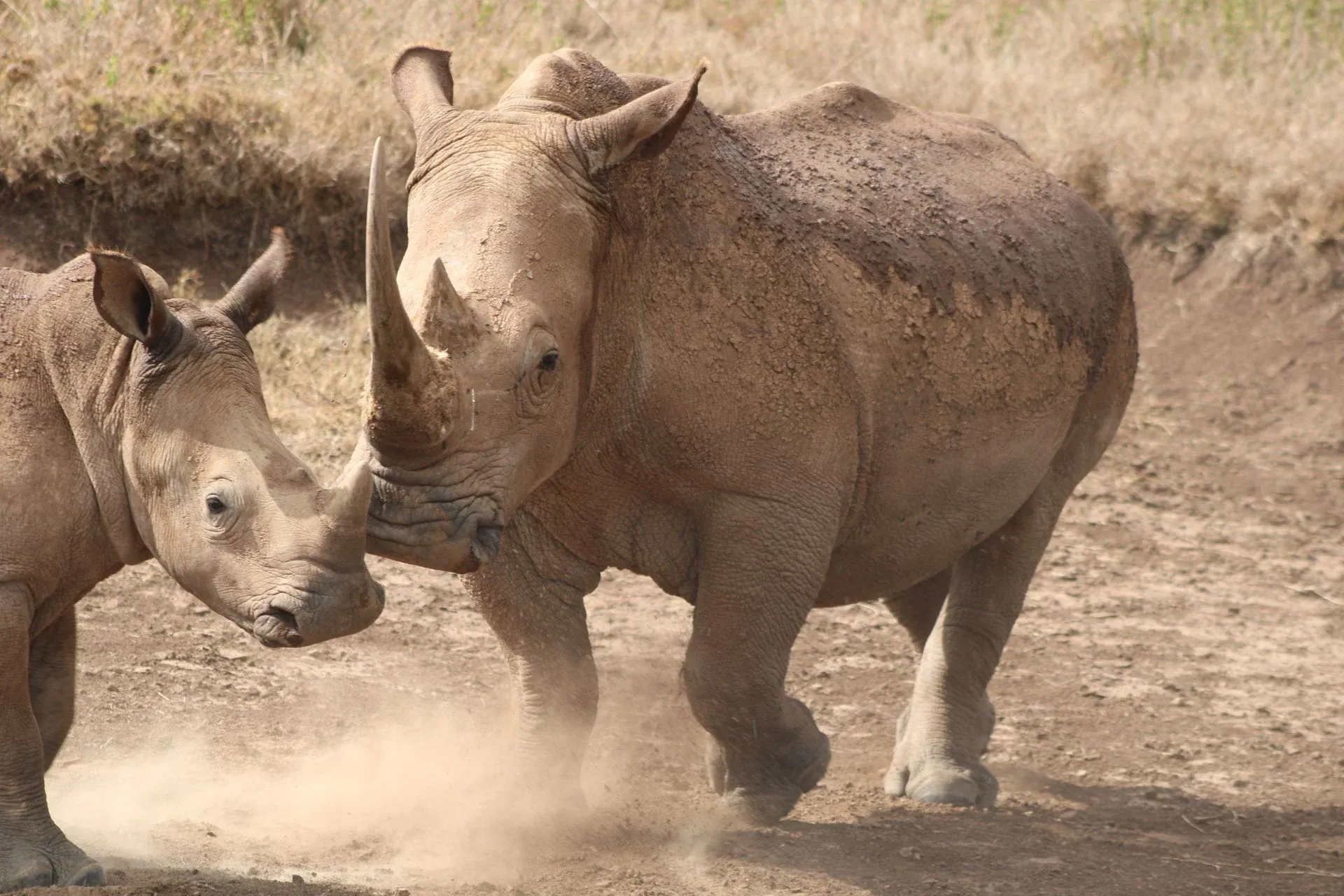
  • Pro: Black and white rhinos in several parks
  • Pro: Kilimanjaro views at Amboseli
  • Pro: Beaches on the coast and an old Swahili island at Lamu
  • Pro: Short distances and good air links between the parks
  • Con: The Mara is busy in the migration months
  • Con: Many long road transfers unless you fly
  • Con: Park and conservancy fees are high, and the best camps carry a premium

Wildlife

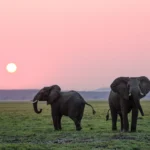
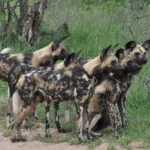
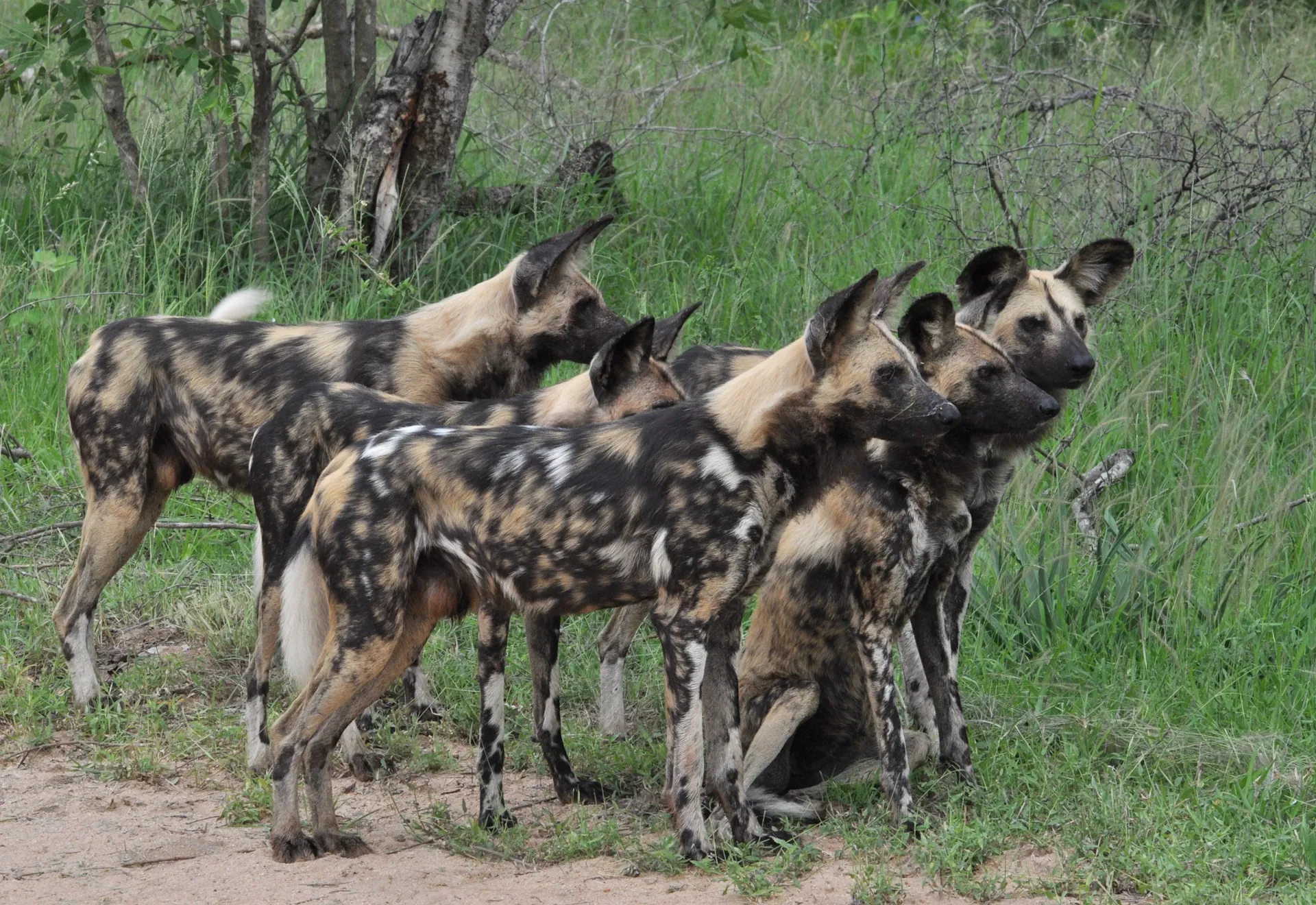
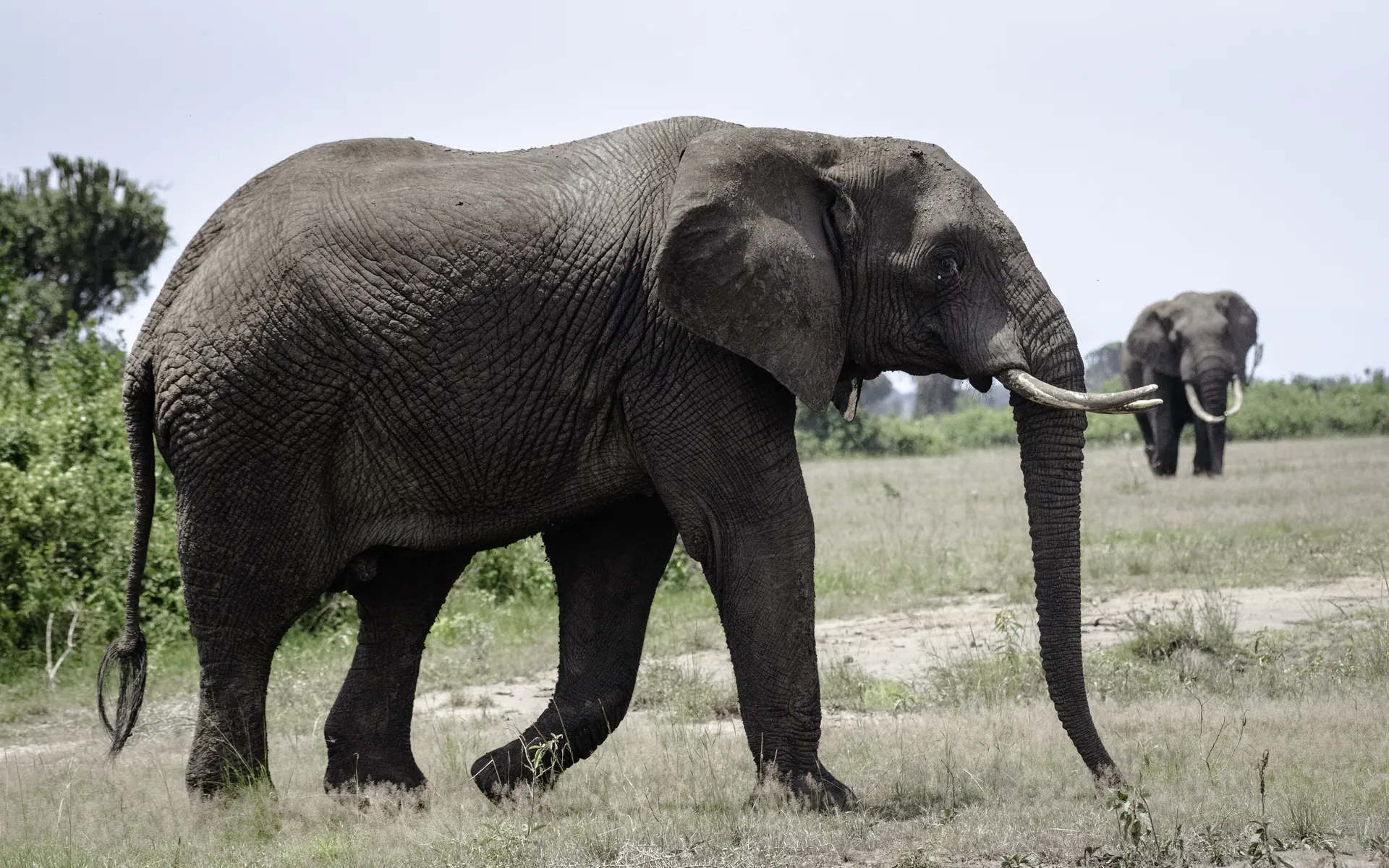
Kenya has the full range of African savannah wildlife, and the Mara ecosystem is the stage for the migration, with wildebeest and zebra crossing the Mara River between July and October. Amboseli is famous for its elephants, Samburu for northern species found nowhere else, and Lewa, Ol Pejeta and Lake Nakuru for rhinos. Laikipia is also home to wild dog and Grevy’s zebra.

Chance of seeing

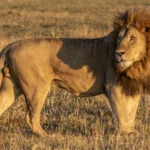
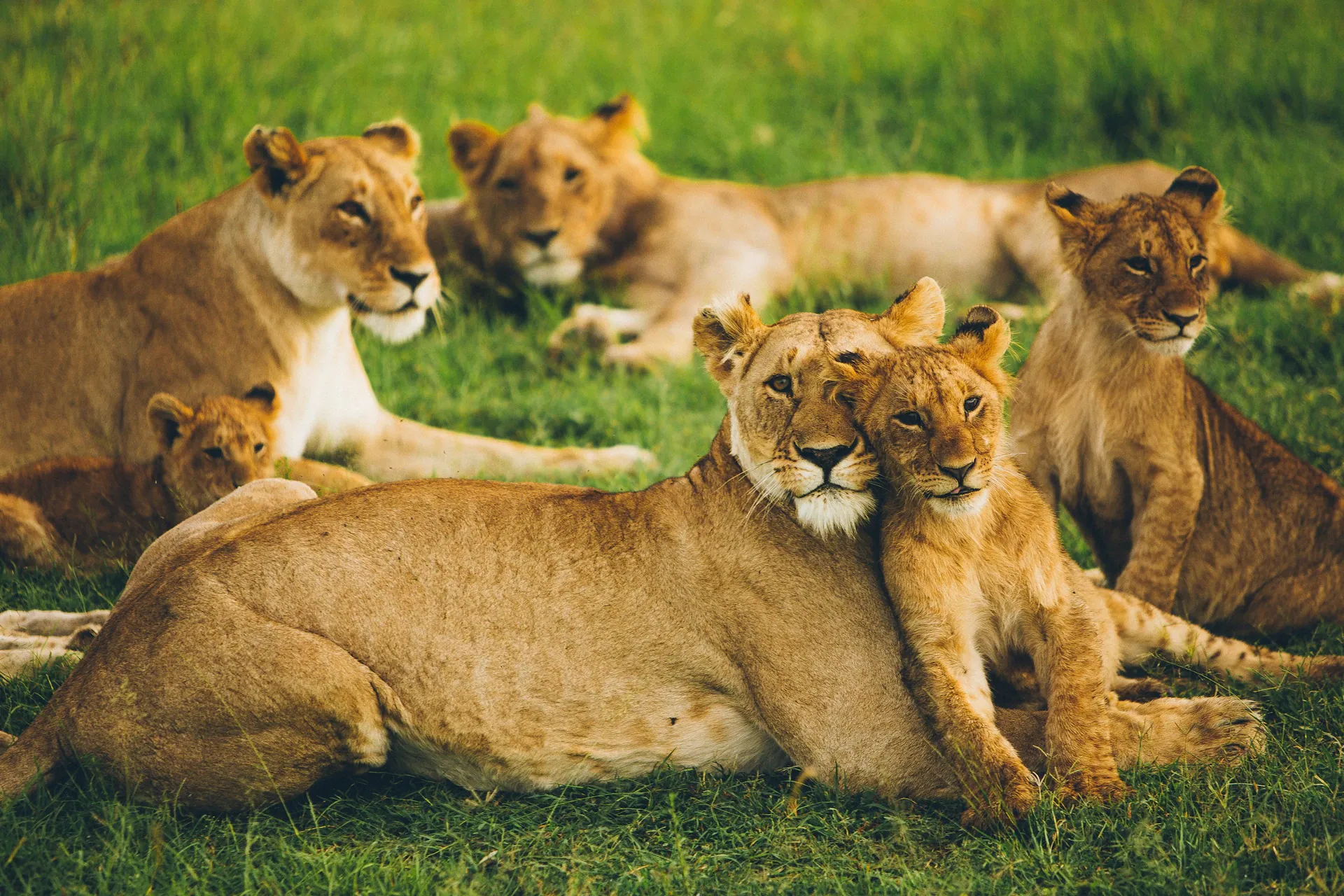
  • LionExcellent
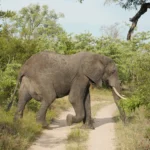
  • ElephantExcellent
  • WildebeestGreat Migration, Jul to OctExcellent
  • ZebraExcellent
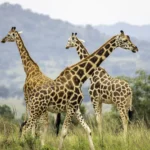
  • GiraffeMasai, reticulated and Rothschild’sExcellent
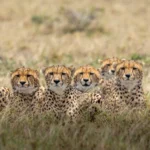
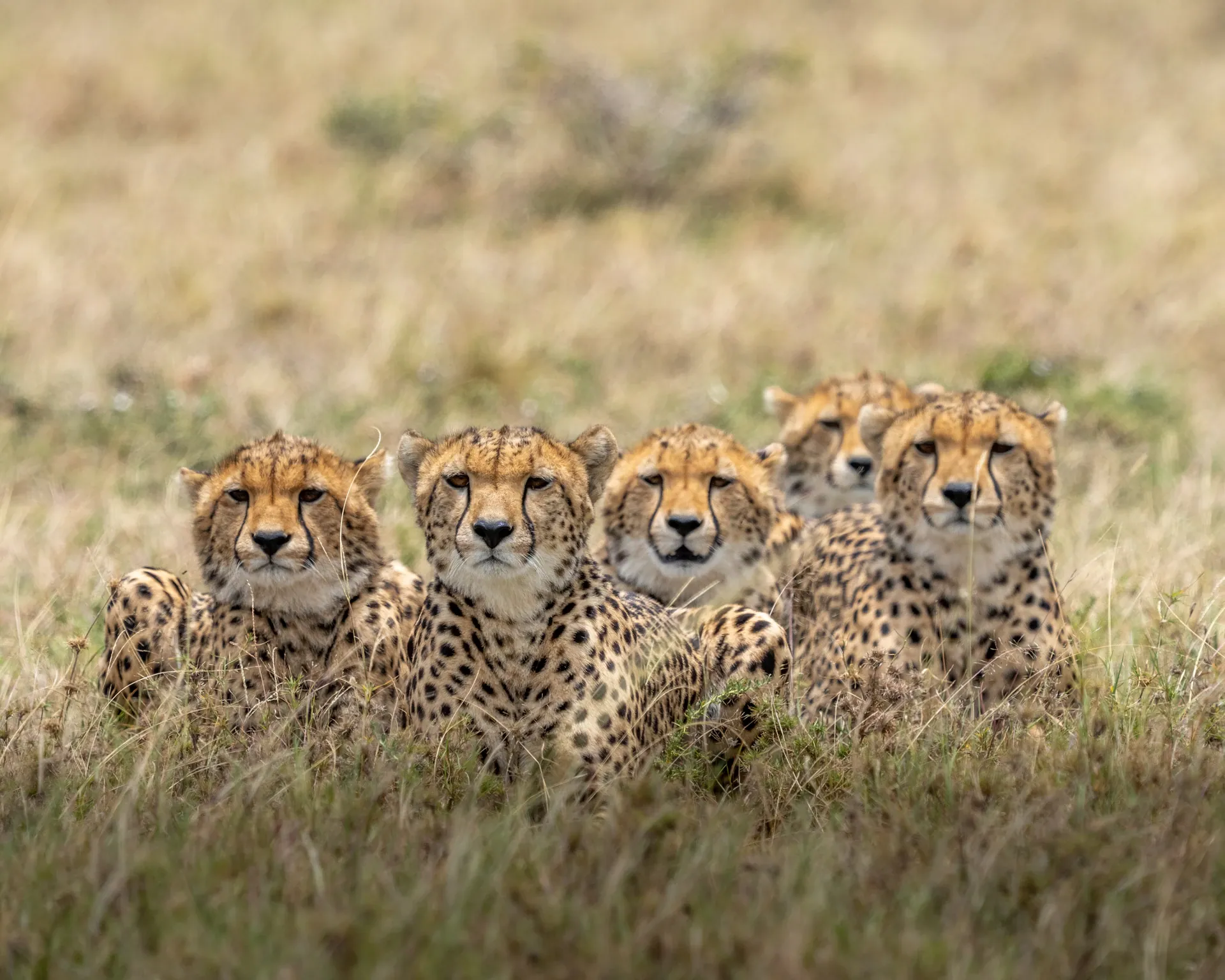
  • CheetahGood
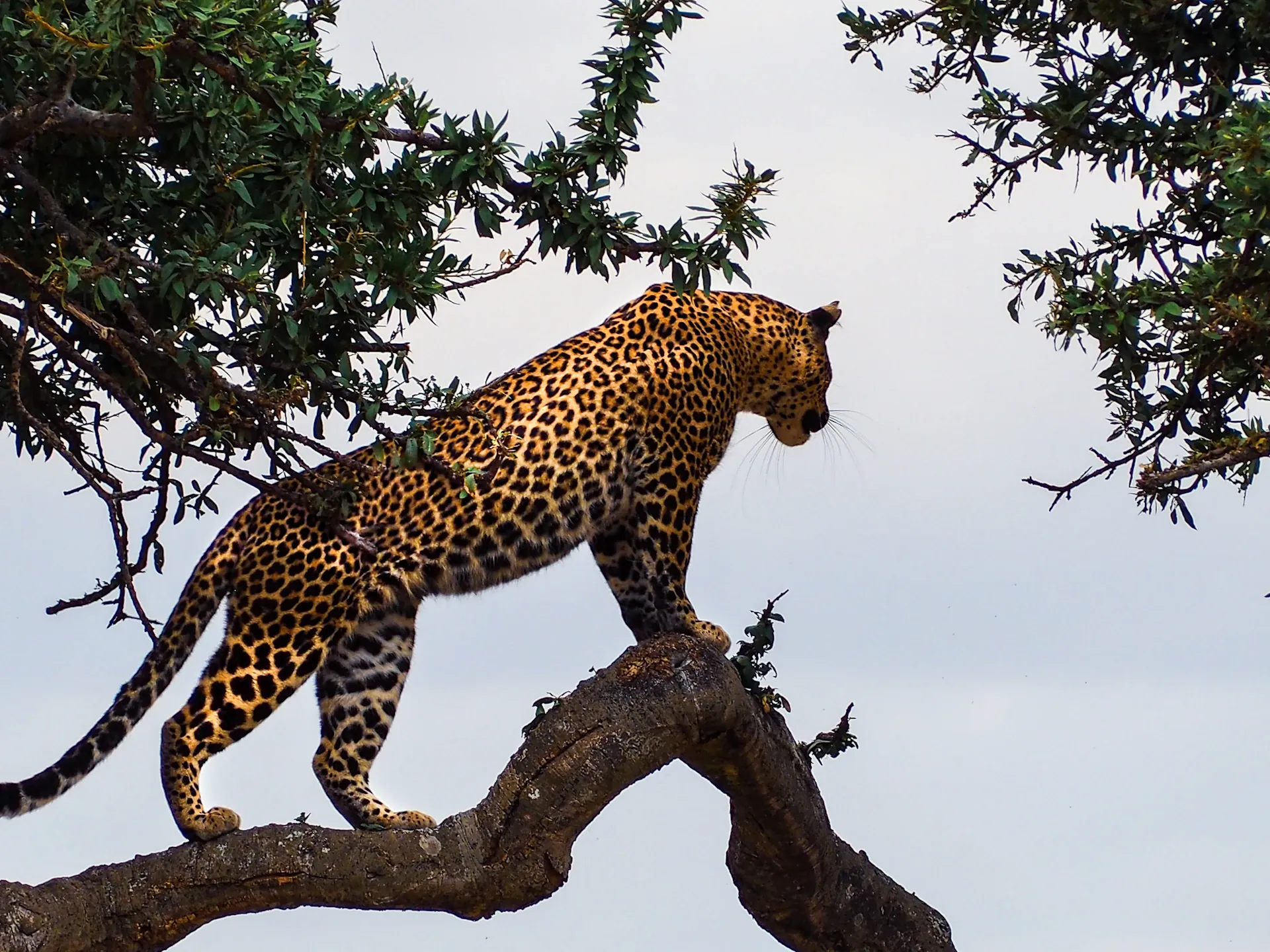
  • LeopardGood
  • Black rhinoLewa, Ol Pejeta and NakuruGood
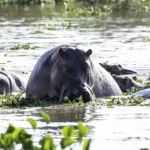
  • HippoExcellent
  • Nile crocodileExcellent
  • Grevy’s zebraSamburu and LaikipiaGood
  • FlamingoseasonalGood

Our estimate for a stay of two or three nights with a good guide. Wildlife is wild, so nothing is promised.

Things to do

  • Masai Mara game drives for lion, cheetah and leopard, and the river crossings from July to October
  • Hot-air ballooning at dawn over the Mara plains
  • Amboseli for elephants beneath Kilimanjaro
  • Rhino tracking at Lewa, Ol Pejeta and Lake Nakuru
  • Walks and night drives in the Laikipia conservancies
  • Samburu for the Special Five of the north
  • Mount Kenya trekking, and walking and cycling at Hell’s Gate
  • The coast: Diani for beaches and reefs, and Lamu for dhows and the old town

Popular activities

  • Birding
  • Cultural & Community Visits
  • Game Drives
  • Hot-Air Ballooning

Weather and climate

Kenya sits on the equator, but much of it is high, so the weather is mild. Nairobi and the highlands are warm by day and cool at night, the Mara is warm, and the north and the coast are hot. Mount Kenya has snow on its peaks.

Month by monthDay °CNight °CRain (mm)
  1. 25°12°65Jan
  2. 26°13°65Feb
  3. 26°14°95Mar
  4. 24°15°210Apr
  5. 23°14°160May
  6. 22°12°35Jun
  7. 21°11°20Jul
  8. 22°11°25Aug
  9. 25°12°30Sep
  10. 25°14°55Oct
  11. 23°15°150Nov
  12. 24°14°105Dec
Average climate in Kenya
MonthDay °CNight °CRain mm
Jan251265
Feb261365
Mar261495
Apr2415210
May2314160
Jun221235
Jul211120
Aug221125
Sep251230
Oct251455
Nov2315150
Dec2414105

Approximate long-term averages. Higher ground is cooler, and forests can rain in any month.

Dry season

There are two dry seasons: the longer one from June to October and a shorter one from January to February. Days are sunny, nights in the highlands are cold, and the game gathers at the water.

Wet season

The long rains fall from March to May, with April usually the wettest month, and the short rains come in November and early December. Showers are often heavy but brief, the landscapes turn green, and some camps close.

Best time to visit

July to October is the best for the Mara and the migration, and January and February are also excellent and dry. June is quiet and good. The long rains fall from March to May, when some camps close and prices drop, and the short rains come in November and early December. The coast is best from December to March and from June to October.

Best time to visit Jan to Feb, Jun to Oct

  1. January: Excellent
  2. February: Excellent
  3. March: Fair
  4. April: Heavy rains
  5. May: Heavy rains
  6. June: Excellent
  7. July: Excellent
  8. August: Excellent
  9. September: Excellent
  10. October: Excellent
  11. November: Fair
  12. December: Good
The long dry season from June to October is the classic time for game viewing, and January to February is excellent too. April and May bring the long rains, when some camps close and roads can be difficult, but prices drop and the landscapes turn green.

Parks and places in Kenya

UGANDAKENYATANZANIASOUTH SUDANETHIOPIASOMALIALake Turkana Aberdare Amboseli Hell’s Gate Lake Nakuru Meru Mount Kenya Nairobi Tsavo East Tsavo West

How to get there

Most travellers arrive at Jomo Kenyatta International Airport in Nairobi. Wilson Airport, in the city, is the base for scheduled and charter flights to the Mara, Amboseli, Laikipia, Lewa, Meru and Samburu. Diani and Lamu have their own airstrips, with short flights from Nairobi, and Mombasa has an international airport.

Visas and permits

Most visitors need an electronic travel authorisation, which is applied for online before you travel, and we will explain how. Park, reserve and conservancy fees are charged per person per day and are included in our safaris. Please carry a yellow fever certificate if you arrive from a country with a risk of yellow fever.

Health and safety

A yellow fever certificate is required if you arrive from a country with a risk of yellow fever. Please talk to your doctor about vaccinations and malaria prophylaxis, and carry travel insurance that covers medical evacuation. The lodges we use have good first-aid arrangements, and we advise on current guidance for the north and the coast.

Our take

“Pair the plains with a conservancy”

We always suggest pairing the Mara with a conservancy such as Laikipia or Lewa. The Mara gives you the great spectacle, and a conservancy gives you the quiet, the walks and the night drives that the reserve does not allow. Allow three nights in the Mara, two in a conservancy, and keep a few days for the coast if you have them. If the migration is your priority, tell us your travel month early.

Uwera Travels specialists

Safaris from

US$179 per person

Plan your time in Kenya

Every safari we run is private and built around you. Tell us your dates and what you hope to see, and we will shape the route, the lodges and the permits.

Safaris in Kenya

8 days

Gorilla Trekking · Honeymoon

8 Days Masai Mara and Bwindi Gorilla Honeymoon Safari

From US$7,708 pp

View

14 days

Big Five & Wildlife · Honeymoon · Primates & Rainforest

14 Days Uganda Primates and Kenya Wildlife Honeymoon Safari

From US$11,600 pp

View

7 days

Big Five & Wildlife · Honeymoon

7 Days Nairobi and Tsavo Honeymoon Safari

From US$5,988 pp

View

See all 40 Kenya safaris

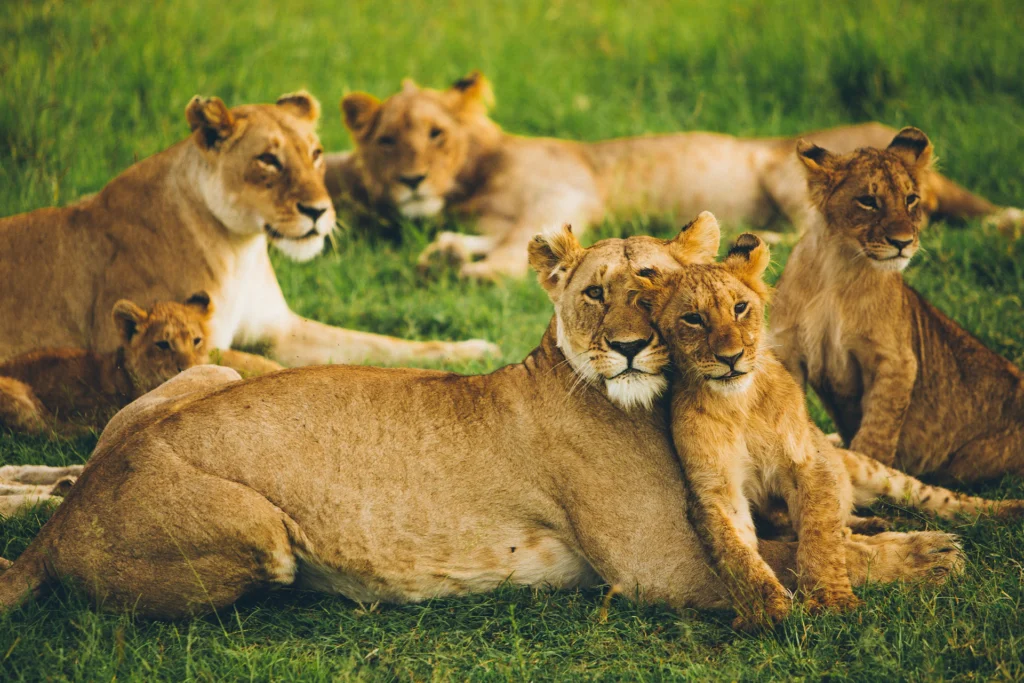
Lion pride in the Masai Mara

Made to measure

Your Kenya, your way

Tell us how you like to travel and we will build a private journey around it: the right lodges, the right pace and the permits already in hand.

Start planning
Cookies

A few cookies, used gently

Essential cookies keep this site working. With your permission we also remember the safaris and places you have viewed. You can change your mind any time from Cookie settings in the footer.