Travel guide

Namibia

Deserts, dunes and wide open skies

  • Best May to Nov
  • 11 parks and places
  • 19 safaris
See 19 Namibia safaris
Safaris from
US$1,598 pp
Best time to go
May to Nov
High season
May to Oct
Size
825,615 km²
Altitude
0 to 2,606 m

Overview

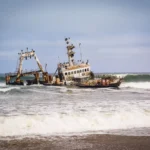
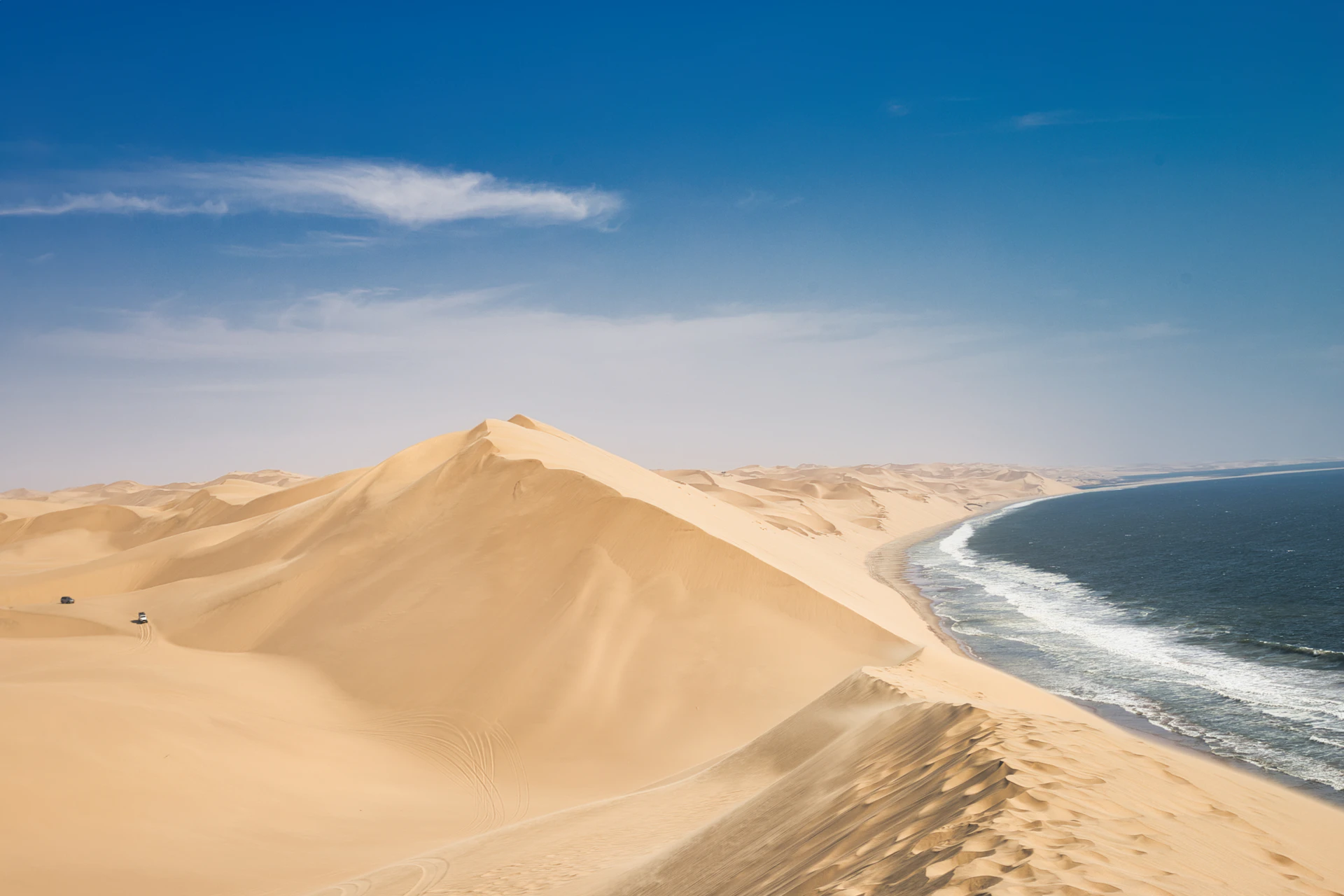
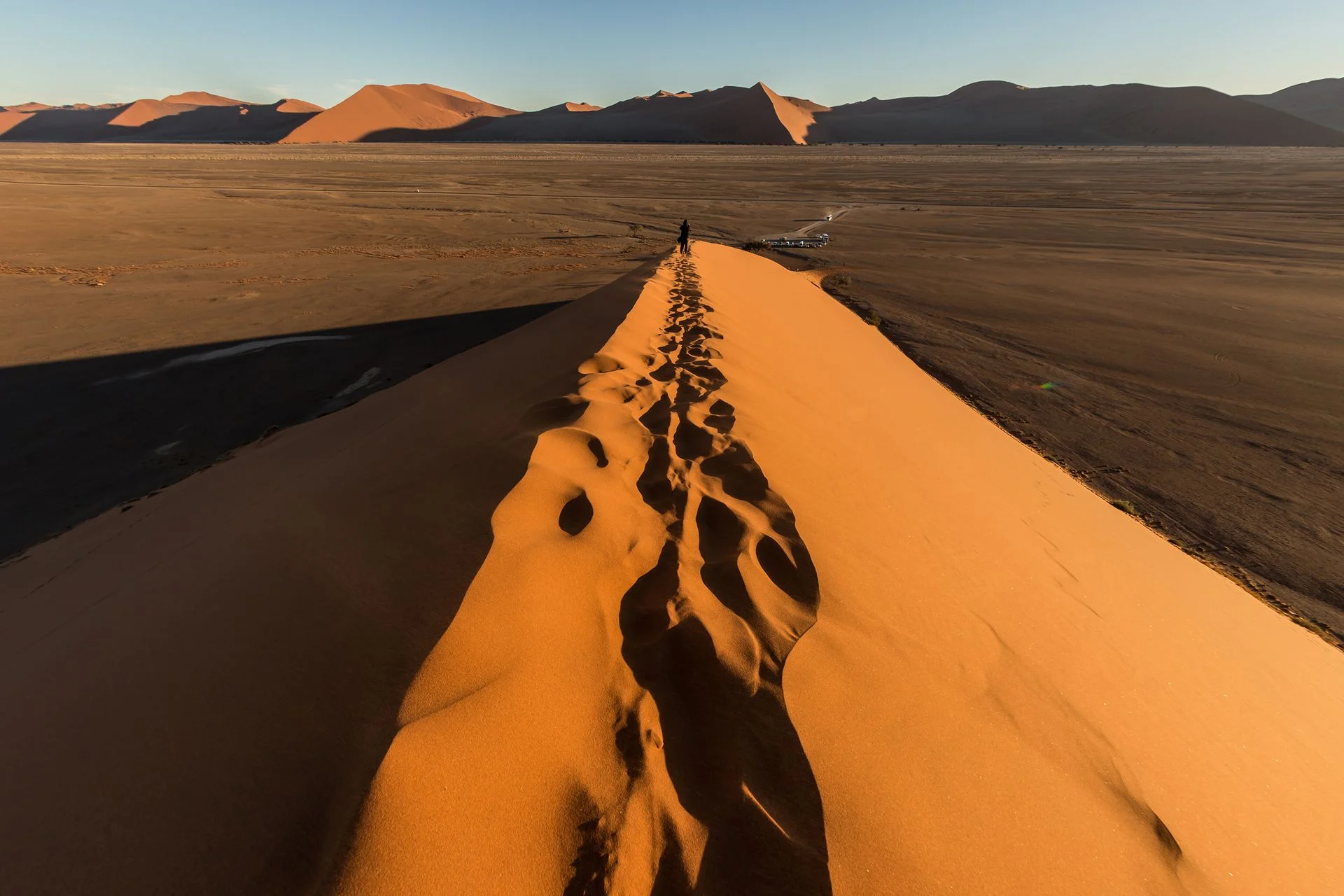
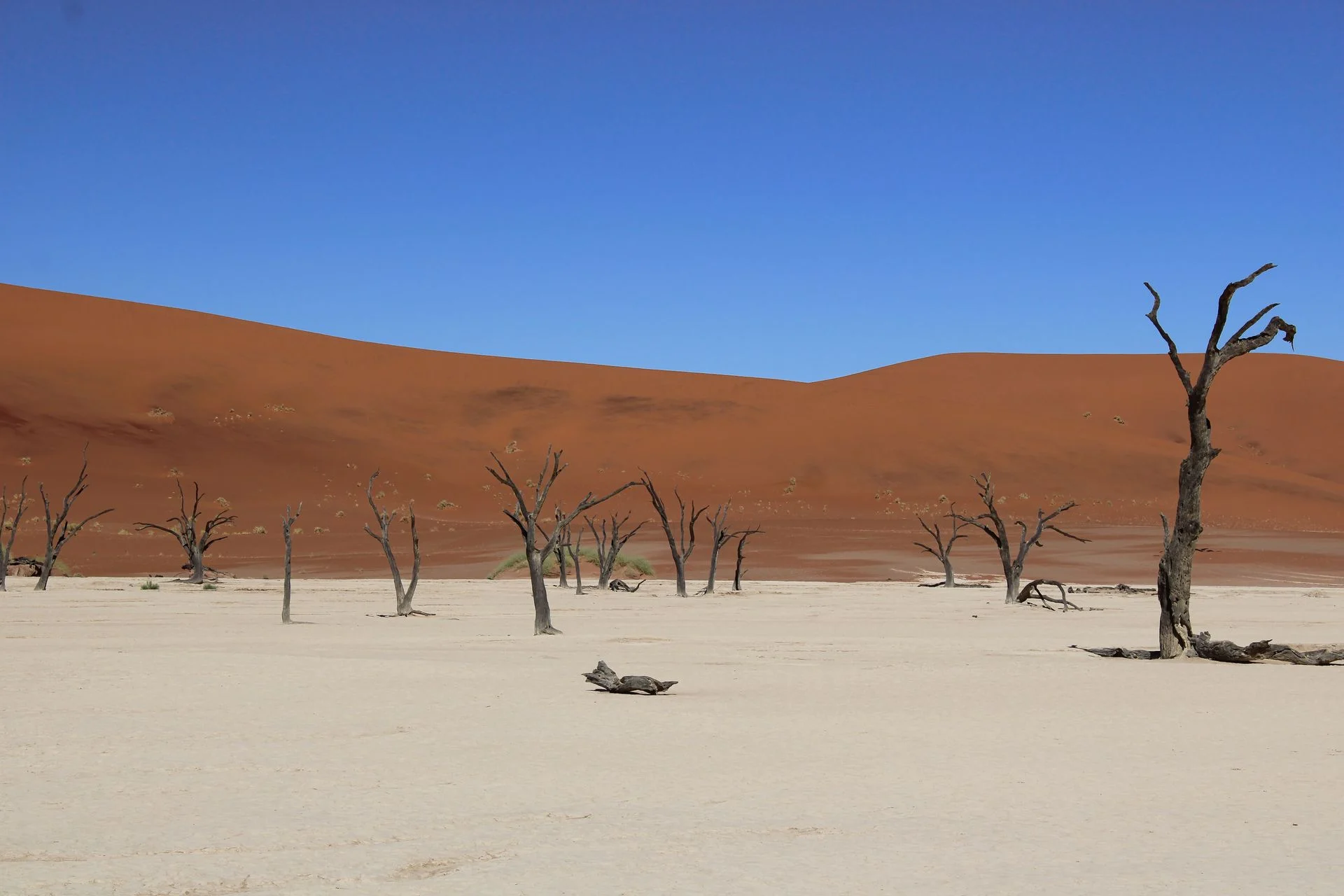
Namibia is a country of space and silence: red dunes that rise 300 metres, a salt pan you can see from orbit, a coast of fog and shipwrecks, and some of the darkest skies on earth. It is one of the least crowded countries in Africa, and one of the easiest to travel, with good roads, small lodges and very few people.

The headline places are Sossusvlei and its great dunes, Etosha and its waterholes, the desert-adapted elephants of Damaraland, and the coast at Swakopmund. Behind them lie the Fish River Canyon, the ghost town of Kolmanskop, the Kunene and the Himba, and the green rivers of the Zambezi Region.

We shape each trip by road or by light aircraft, always with a small number of well-chosen lodges, and the long, quiet drives are part of the pleasure.

Pros and cons

  • Pro: Some of the biggest dunes and emptiest landscapes in the world
  • Pro: Etosha, one of Africa’s best waterhole parks
  • Pro: Desert-adapted elephants and black rhinos
  • Pro: Very few visitors and some of the darkest skies on earth
  • Pro: Good roads, safe travel and small, characterful lodges
  • Pro: A clear dry season with cool nights
  • Con: Very long distances between places unless you fly
  • Con: Hot in summer, with the south and the Fish River Canyon too hot to hike
  • Con: Prices are high for the best remote camps

Wildlife

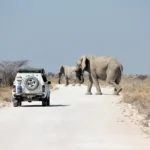
Namibia is a land of desert-adapted wildlife. Etosha has elephants, lions, giraffe and some of the best black rhino viewing in Africa, and Damaraland has elephants and rhinos that have learned to live in the desert. The coast has the Cape Cross seal colony, and the north-east has hippos, crocodiles and a rich birdlife.

Chance of seeing

  • ElephantExcellent
  • Black rhinoEtoshaExcellent
  • LionGood
  • LeopardAverage
  • CheetahGood
  • GiraffeExcellent
  • Mountain zebraDamaralandGood
  • GemsbokExcellent
  • SpringbokExcellent
  • Cape fur sealCape CrossExcellent
  • Brown hyenaAverage
  • HippoZambezi RegionGood

Our estimate for a stay of two or three nights with a good guide. Wildlife is wild, so nothing is promised.

Things to do

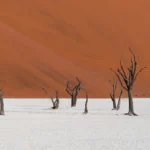
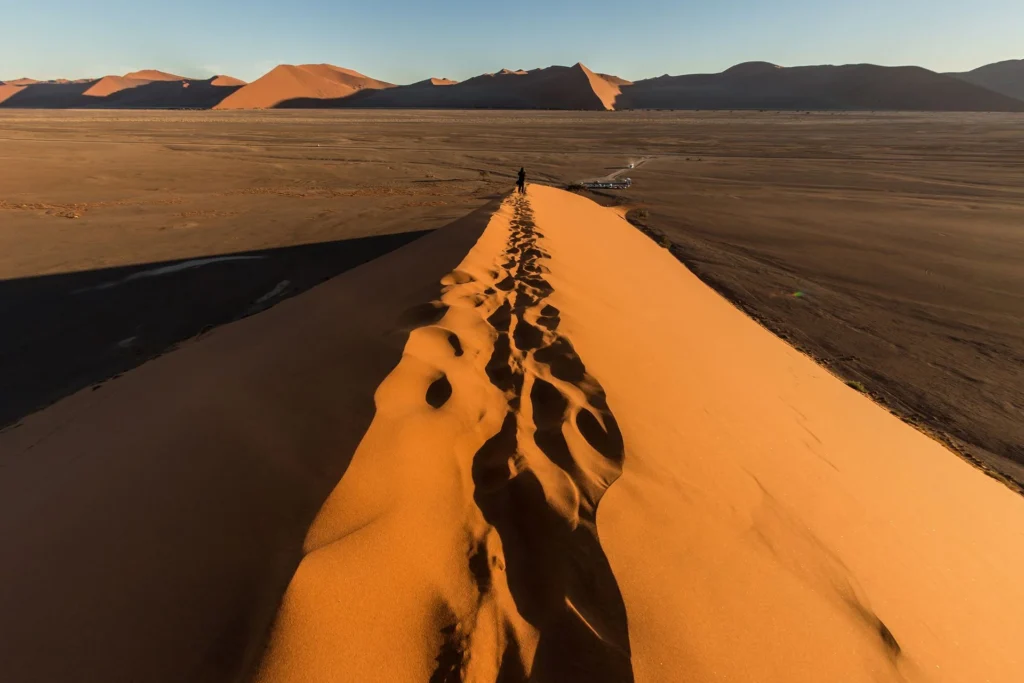
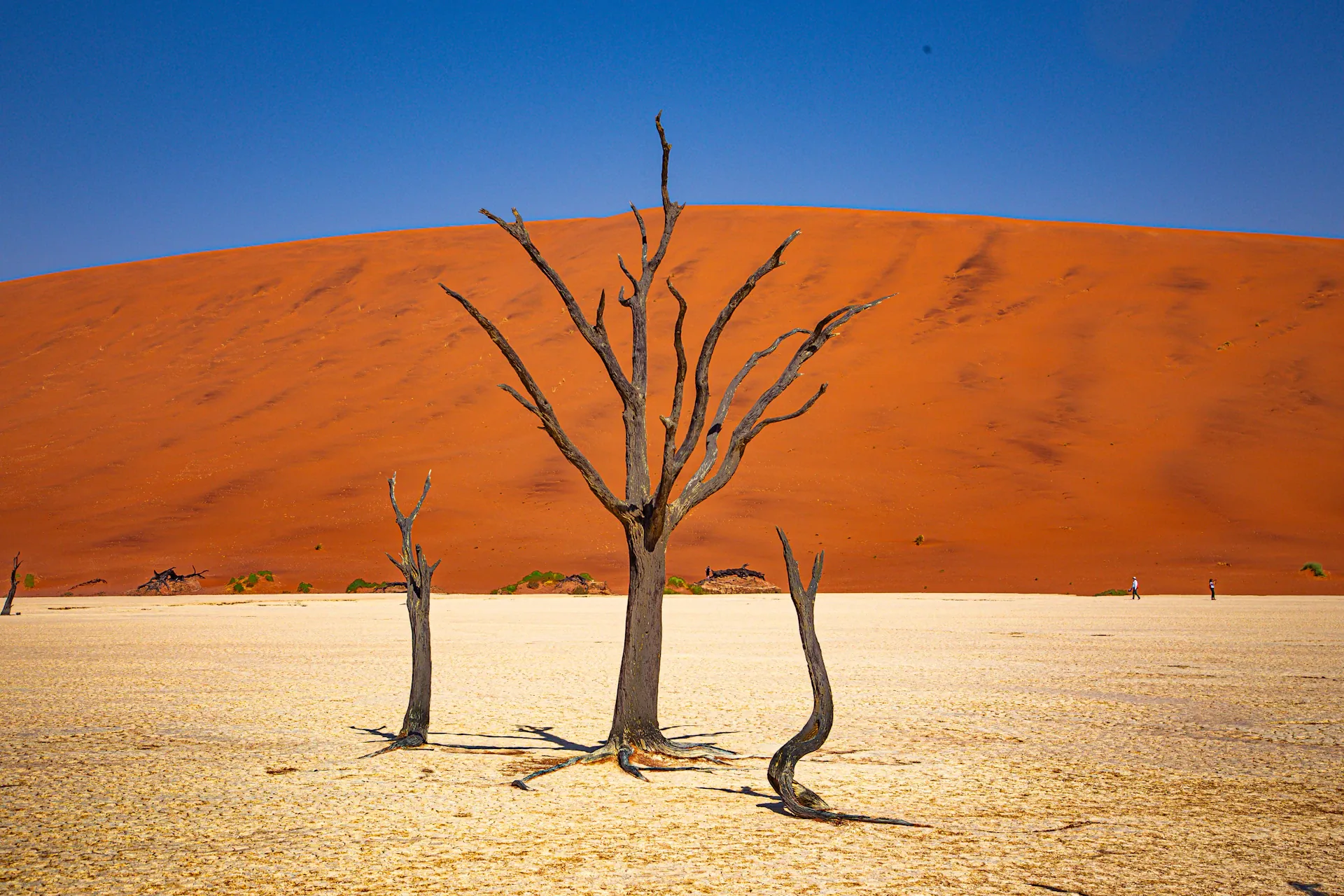
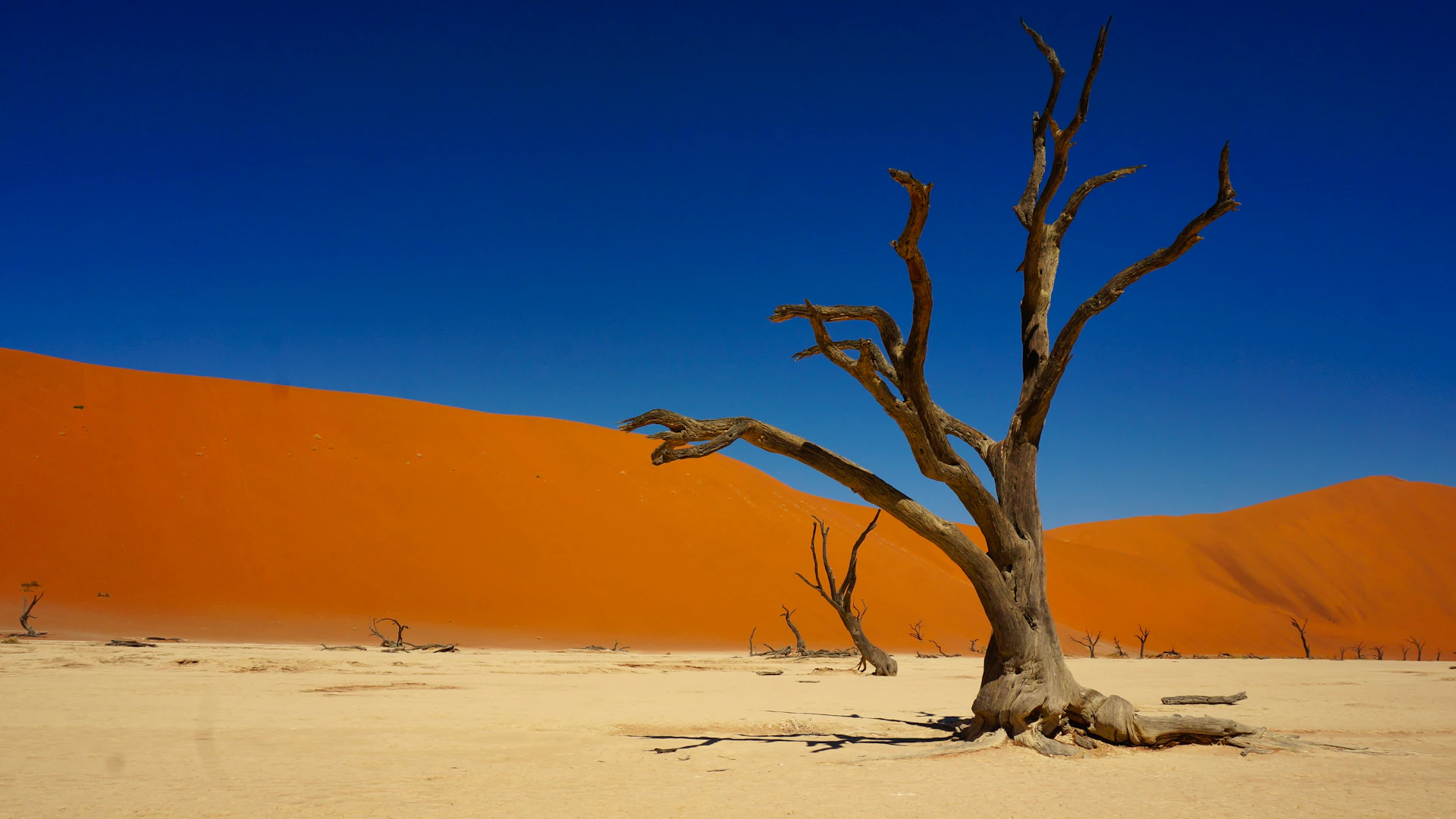
  • Sossusvlei and Deadvlei at sunrise among the highest dunes in the world
  • Etosha for waterhole game viewing and black rhinos
  • Damaraland for desert-adapted elephants and the rock engravings at Twyfelfontein
  • Swakopmund for sandboarding, quad biking and a boat trip to the seals at Walvis Bay
  • The Fish River Canyon at sunset, and Kolmanskop and Luderitz in the south
  • The Kunene for Epupa Falls and respectful visits to the Himba
  • The Zambezi Region for boat safaris and birding
  • Stargazing in the NamibRand and the Kalahari

Popular activities

  • Cultural & Community Visits
  • Game Drives
  • Hiking & Walking
  • Hot-Air Ballooning

Weather and climate

Namibia is dry and sunny almost all year. The interior has hot days and cold winter nights, the coast is cool, foggy and windy, and the north-east is warm and humid in summer. Most of the rain falls between November and March.

Month by monthDay °CNight °CRain (mm)
  1. 31°18°79Jan
  2. 30°17°78Feb
  3. 29°16°76Mar
  4. 26°13°35Apr
  5. 24°8°7May
  6. 21°5°1Jun
  7. 22°5°1Jul
  8. 25°7°1Aug
  9. 28°11°3Sep
  10. 30°14°10Oct
  11. 31°16°28Nov
  12. 31°17°45Dec
Average climate in Namibia
MonthDay °CNight °CRain mm
Jan311879
Feb301778
Mar291676
Apr261335
May2487
Jun2151
Jul2251
Aug2571
Sep28113
Oct301410
Nov311628
Dec311745

Approximate long-term averages. Higher ground is cooler, and forests can rain in any month.

Dry season

The dry season runs from May to October, with clear skies, warm days and cold nights, and animals concentrated at the waterholes.

Wet season

The rains fall from November to April, mostly as brief, heavy storms, with the most rain from January to March. The landscapes turn green, and the north-east is humid.

Best time to visit

May to October is the best time, with dry, clear days, cool nights, and animals gathering at the waterholes in Etosha. The summer from November to April is hot, with afternoon storms and green landscapes, and some of the south is too hot for hiking. The coast is cool all year.

Best time to visit May to Nov

  1. January: Good
  2. February: Good
  3. March: Good
  4. April: Good
  5. May: Excellent
  6. June: Excellent
  7. July: Excellent
  8. August: Excellent
  9. September: Excellent
  10. October: Excellent
  11. November: Excellent
  12. December: Good
May to October is dry, cool at night and best for wildlife at Etosha. November to April is hot with afternoon storms in the north, but the desert is beautiful all year.

How to get there

Most travellers arrive at Hosea Kutako International Airport, about 45 minutes from Windhoek. Light aircraft link Windhoek with Etosha, Damaraland, Sossusvlei and the Kunene, and scheduled flights serve Walvis Bay and Luderitz. We combine road and air to keep your days for the landscape and the animals.

Visas and permits

Since 1 April 2025, visitors from many countries, including the UK, the US, Canada, Germany, France, the Netherlands, Italy, Switzerland and Austria, need a visa to enter Namibia. It can be applied for online in advance as an e-visa, or at the port of entry on arrival, and costs about N$1,600 (roughly US$90) for adults, valid for the stay you request. Visitors from neighbouring countries such as South Africa, Botswana and Zambia, and from some other countries, can still enter without one. Your passport must be valid for at least six months after arrival and have at least three blank pages. Rules change, so please check the requirements for your passport before you book. Park and conservancy fees are charged per person per day and are included in our safaris. A yellow fever certificate may be needed if you arrive from a country with a risk of yellow fever.

Health and safety

Please talk to your doctor about vaccinations. The south and the coast are malaria-free, and Etosha, the Kunene and the Zambezi Region have a risk in the wet season, so take advice on prophylaxis. Carry travel insurance that covers medical evacuation, and bring plenty of water and sun protection.

Our take

“Fly one leg”

Namibia is a country of distances, so we always suggest flying one or two legs and driving the rest. A flight over the dunes saves a long day on the road, and the drives you keep are the beautiful ones. Give Sossusvlei and Etosha at least two nights each, and keep a few days for the coast, Damaraland or the south if you can.

Uwera Travels specialists

Safaris from

US$1,598 per person

Plan your time in Namibia

Every safari we run is private and built around you. Tell us your dates and what you hope to see, and we will shape the route, the lodges and the permits.

Safaris in Namibia

14 days

Big Five & Wildlife · Photographic · Private Guided

14 Days Grand Namibia

From US$8,366 pp

View

12 days

Big Five & Wildlife · Photographic · Private Guided

12 Days Namibia in Depth with the Kalahari

From US$6,956 pp

View

9 days

Big Five & Wildlife · Photographic · Private Guided

9 Days Namibia and the Zambezi Region

From US$8,084 pp

View

See all 19 Namibia safaris

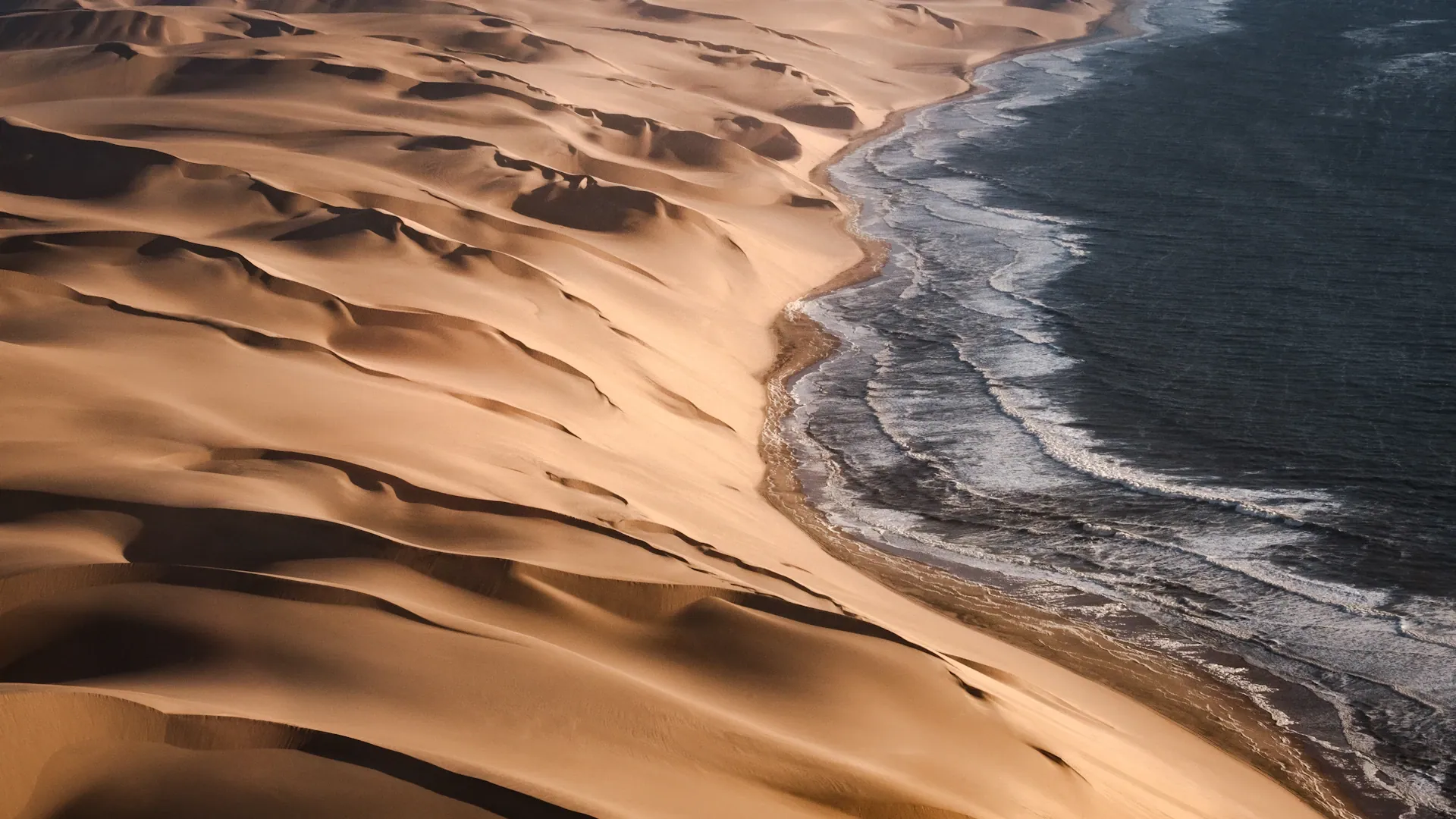
Sunlit dunes of the Namib Desert

Made to measure

Your Namibia, your way

Tell us how you like to travel and we will build a private journey around it: the right lodges, the right pace and the permits already in hand.

Start planning
Cookies

A few cookies, used gently

Essential cookies keep this site working. With your permission we also remember the safaris and places you have viewed. You can change your mind any time from Cookie settings in the footer.