
Responsible Travel Policy
Every safari we plan should leave the forests a little wilder, the neighbouring communities a little stronger and our guests better informed than when they arrived. This policy sets out how we work towards that, and what we ask of you.
Wildlife comes first
Local people, fair pay
Less plastic, less waste
Reviewed every year
Our commitment
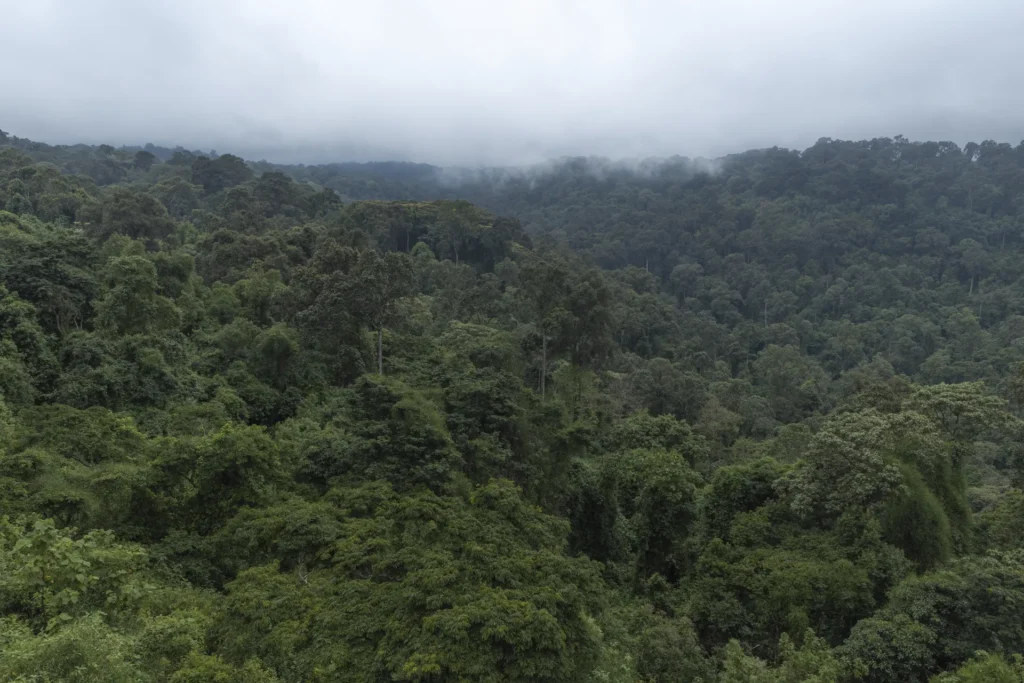
In Uganda and Rwanda, visitors help to fund the rangers, trackers and research teams who protect mountain gorillas, chimpanzees and the great savannah parks. A share of park revenue also goes directly to the villages that border them, which gives families a reason to value the forest standing.
That connection only works if travel is done well. Crowded sightings, careless behaviour and money that never reaches local hands all weaken it. So we plan every safari with the animals, the people and the places in mind, and we are open about what we can and cannot yet do.
Uwera is young, and this policy will grow with us. We would rather promise less and do it properly.
In practice
Good intentions are easy to write down. These are the specific choices we make when we design, book and run your safari.
01
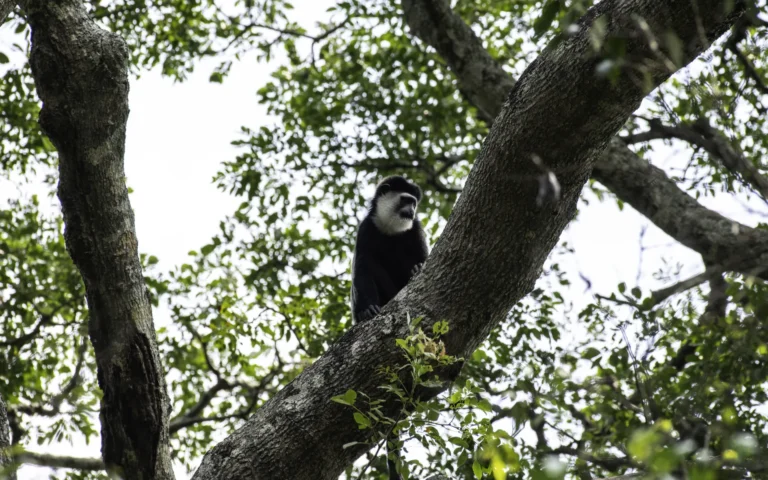
We follow and brief every guest on the primate rules set by the Uganda Wildlife Authority and the Rwanda Development Board: groups of no more than eight, one hour with the family, a distance of at least seven metres and masks when rangers ask for them. We never knowingly send anyone who is unwell to track primates, even when a permit is lost. On game drives our guides keep to permitted tracks, keep noise down and give animals room, however good the photograph might be.
02
We work with local guides, drivers, trackers and porters and pay them fairly and on time. We favour lodges that employ people from surrounding villages and buy from local farms. Community visits are shaped with the people who host them, paid for directly, and never staged as a show.
03
Before we recommend a lodge we look beyond the view: who it employs, how it treats its staff, how it manages water, energy and waste, and whether it gives back to its neighbours. We lean towards owner-run and community-partnered properties, and we will tell you honestly when a lodge’s green story is thinner than its brochure.
04
Every Uwera vehicle carries refill water so you can leave single-use bottles behind. Rwanda banned plastic bags years ago and we follow the same thinking everywhere we travel. We plan fewer, longer stays rather than a new lodge every night, and suggest light-aircraft hops only where they save a punishing day on the road. We believe in cutting emissions first rather than relying on offsets, and we are happy to talk through the footprint of any itinerary.
05
East Africa is home to dozens of languages and traditions, and each deserves respect. Our guides share local customs before you arrive in a village, and we avoid any visit that turns hardship into a spectacle. Photographs of people are taken with permission, and it is fine to be told no.
06
We pay suppliers promptly, hire locally wherever we can, invest in training for our team and refuse to take part in bribery of any kind. A responsible company has to be a healthy one, so we price our safaris honestly rather than cutting corners that others end up paying for.
Lines we will not cross
Some popular experiences look harmless but cause real damage. We leave them out of every itinerary, whatever the request.
No cub petting, walking with lions, elephant rides or any activity where wild animals are kept for handling by visitors.
Children are not tourist attractions. If you would like to support young people, we can introduce you to vetted schools and projects instead.
Sweets, money or pens given at the roadside encourage begging and keep children from school. Giving through a trusted project does far more good.
We do not ask guides to drive off permitted tracks, crowd a sighting or push closer than the rules allow for a better picture.
Why this matters to us
A few simple habits make a real difference. Your guide will remind you along the way, but it helps to know them before you arrive.
Stay at least seven metres from gorillas and chimpanzees, and follow your ranger’s lead at all times.
If you have a cold, flu or any infection, tell us before a primate trek. Great apes catch human illnesses easily, and some can be fatal to them.
Hire a porter on primate treks. It supports a local family and makes the climb far easier.
Ask before photographing people, and accept a no with good grace.
Carry your refillable bottle and take your litter away with you, even in places that seem remote.
Buy crafts directly from the people who make them, and pay a fair price without hard bargaining.
Please do not hand out sweets, money or gifts to children. If you would like to give, ask us about the projects we know and trust.
Dress modestly in towns and villages, and try a local greeting: “Oli otya” in Luganda or “Muraho” in Kinyarwanda goes a long way.
Holding ourselves to account
We review this policy every year with our guides, lodge partners and conservation contacts, and update this page when something changes. If you see us fall short during your safari, or have an idea that would make our work more responsible, we want to hear it.
Our specialists are ready to start shaping your private safari, at your pace and around the moments you care about most.