
National Park in Kenya

Meru National Park

Joy Adamson's wilderness

  • Best Jun to Oct
  • 870 km²
  • 2 safaris
See 2 Meru safaris
Safaris from
US$2,604 pp
Best time to go
Jun to Oct
High season
Jun to Oct, Jan to Mar
Size
870 km²
Altitude
About 300 to 1,000 m

Overview

Meru National Park is Kenya's wild, quiet north-eastern park, and a place that few visitors reach. It was the setting for the story of Elsa the lioness and Joy and George Adamson, and it has been restored over the past two decades into a thriving reserve with a growing wildlife population and few vehicles.

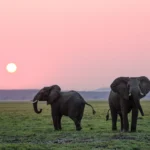
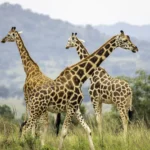
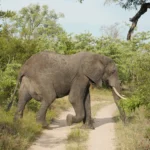
The park is crossed by a dozen rivers and shaded by doum palms, with open grass plains, bush and swamp. Its rhino sanctuary protects both black and white rhino, and you can see reticulated giraffe, Grevy's zebra, beisa oryx and gerenuk, which belong to the drier north. Elephants, lions, cheetah and leopard live here too.

Meru suits travellers who want a true off-the-beaten-track safari, with space and silence.

Pros and cons

  • Pro: Green, quiet and full of game
  • Pro: Rhinos in a protected sanctuary
  • Pro: Elsa the lioness and the Adamsons’ story
  • Pro: Few visitors
  • Pro: Walking from selected camps
  • Con: Remote, so most visitors fly
  • Con: Dense vegetation makes game harder to see
  • Con: Hot and humid in the lower areas

Wildlife

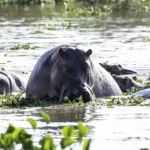
Meru has a mixture of species from both wetter and drier Kenya. Elephant, buffalo, lion, leopard and cheetah are present, together with reticulated giraffe, Grevy’s zebra, beisa oryx, gerenuk, lesser kudu, and white and black rhino in the sanctuary. Hippo and crocodile live in the rivers, and the Mulika swamp has waterbuck, buffalo and hippos.

Chance of seeing

  • ElephantGood
  • BuffaloExcellent
  • LionGood
  • LeopardAverage
  • CheetahAverage
  • White rhinoin the sanctuaryGood
  • Black rhinoin the sanctuaryAverage
  • Reticulated giraffeExcellent
  • Grevy's zebraAverage
  • Beisa oryxGood
  • GerenukGood
  • HippoGood
  • Lesser kuduAverage

Our estimate for a stay of two or three nights with a good guide. Wildlife is wild, so nothing is promised.

Scenery

Meru combines palm-fringed rivers, open grasslands, rocky hills and swamp, backed by the distant bulk of Mount Kenya. The mood is quiet and unspoiled, and the sunsets over the grass are memorable.

Activities

  • Game drives: along the rivers and across the open plains
  • Rhino sanctuary: a visit to see white and black rhino
  • Elsa’s grave: a stop at the memorial to the lioness at Elsa’s Kopje
  • Guided walks: in the surrounding conservancy with a ranger
  • Bird watching: at the Mulika swamp and the river forests

Activities here

  • Birding
  • Game Drives
  • Hiking & Walking

Weather and climate

Meru is hot and dry in the lowlands, with daytime temperatures of 28°C to 32°C and warm nights. The rains fall from March to May and in November and December.

Month by monthDay °CNight °CRain (mm)
  1. 30°17°30Jan
  2. 31°18°25Feb
  3. 32°19°60Mar
  4. 30°19°200Apr
  5. 29°18°100May
  6. 28°16°20Jun
  7. 27°15°15Jul
  8. 28°15°15Aug
  9. 30°16°15Sep
  10. 30°17°60Oct
  11. 29°18°160Nov
  12. 29°17°90Dec
Average climate in Meru National Park
MonthDay °CNight °CRain mm
Jan301730
Feb311825
Mar321960
Apr3019200
May2918100
Jun281620
Jul271515
Aug281515
Sep301615
Oct301760
Nov2918160
Dec291790

Approximate long-term averages. Higher ground is cooler, and forests can rain in any month.

Dry season

June to October and January to February are dry, with clear skies and animals concentrated near the rivers. The roads are at their best, and the park is quiet.

Wet season

The rains turn the park green, fill the rivers and bring birds. Some roads are slippery or flooded, so camps may be harder to reach.

Best time to visit

June to October and January to February are the best times to visit, with the easiest game viewing and the best road conditions. The green season has fewer visitors and dramatic skies.

Best time to visit Jun to Oct

  1. January: Good
  2. February: Good
  3. March: Fair
  4. April: Heavy rains
  5. May: Fair
  6. June: Excellent
  7. July: Excellent
  8. August: Excellent
  9. September: Excellent
  10. October: Excellent
  11. November: Fair
  12. December: Good

How to get there

Meru is about 350 kilometres from Nairobi, a drive of six to seven hours, so most guests fly from Wilson Airport in about an hour and fifteen minutes to the Mulika airstrip. It links by road and air with Samburu, Lewa and Laikipia.

Permits and fees

Park fees are included in our safaris. Most visitors need a Kenya eTA arranged online before travel, and a passport valid for at least six months.

Health and safety

Meru is hot and remote, so bring a hat, sun cream and plenty of water. Medical help is far away, so we plan carefully and fly guests in with the right insurance. Please take advice on malaria before you travel.

Where it is

UGANDAKENYATANZANIASOUTH SUDANETHIOPIASOMALIALake Turkana Meru

Our take

“Our take”

Meru is one of Kenya’s best-kept secrets. Come for the quiet and the rhinos, and combine it with Laikipia or Samburu.

Uwera Travels specialists

Safaris from

US$2,604 per person

Plan your time in Meru

Every safari we run is private and built around you. Tell us your dates and what you hope to see, and we will shape the route, the lodges and the permits.

Safaris that visit Meru National Park

7 days

Big Five & Wildlife · Photographic · Private Guided

7 Days Laikipia, Meru and Masai Mara

From US$6,486 pp

View

3 days

Big Five & Wildlife · Photographic

3 Days Meru National Park

From US$2,604 pp

View

See all 2 Meru National Park safaris

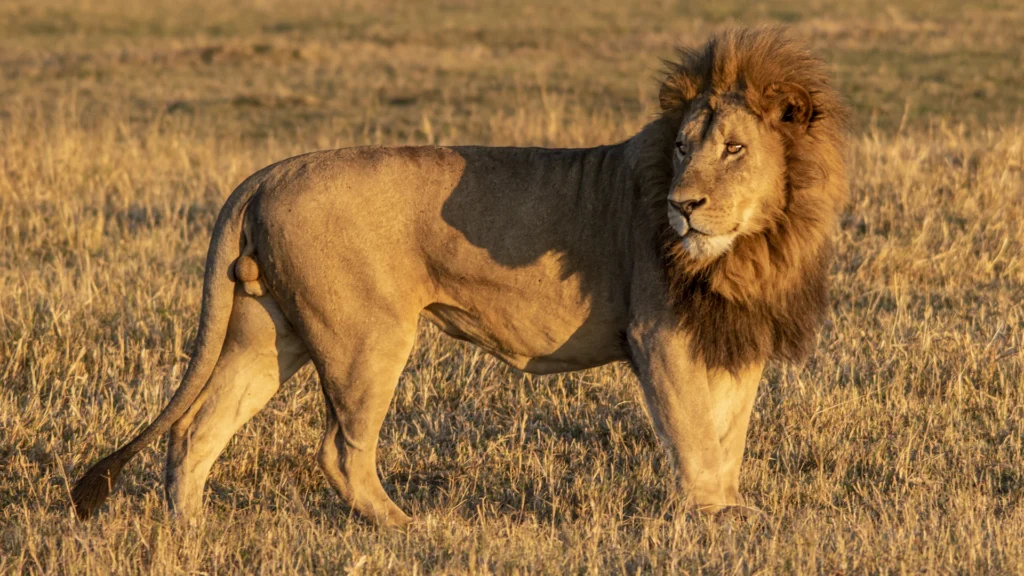
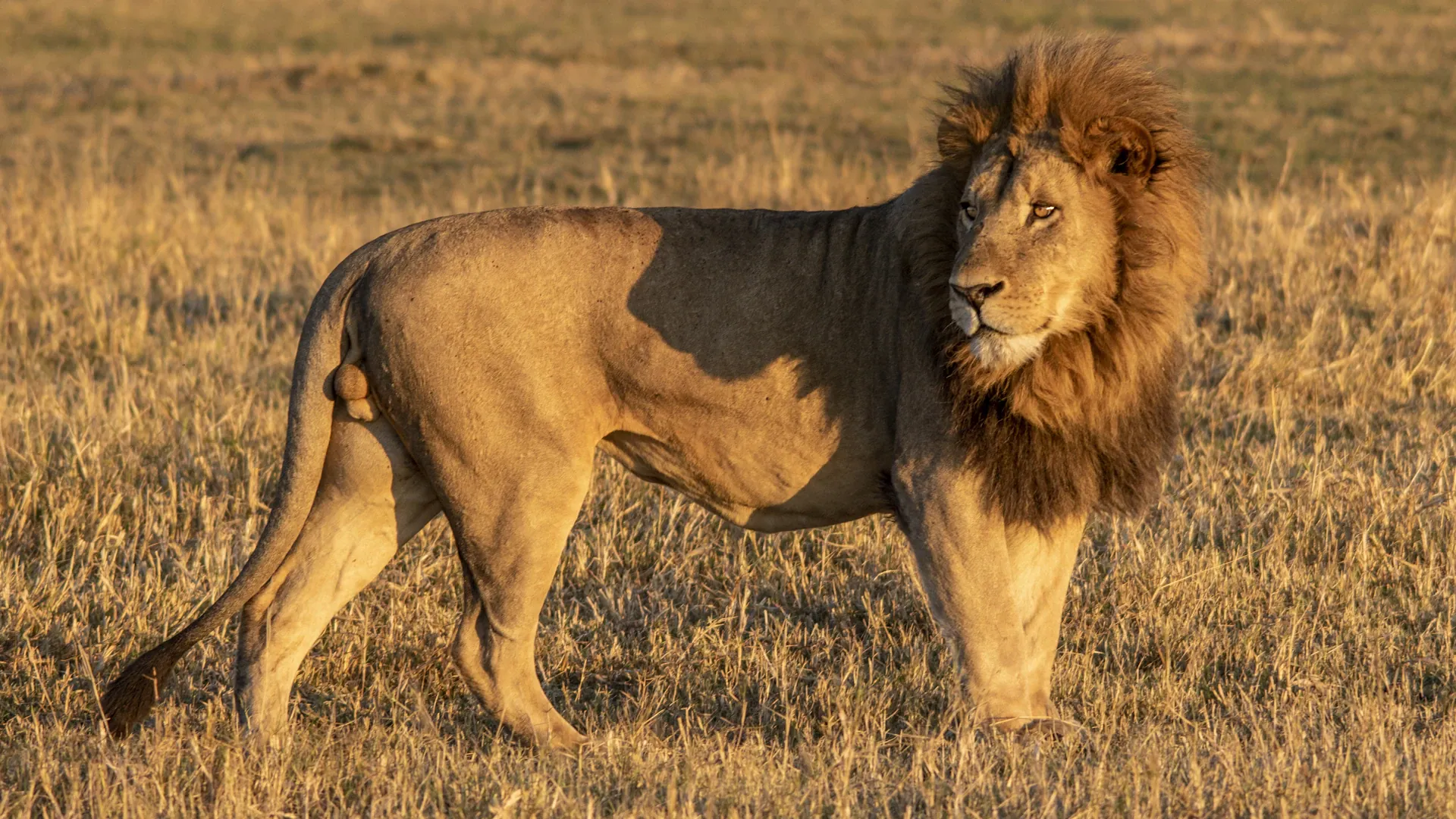
Lion standing in golden grass

Made to measure

Your Meru, your way

Tell us how you like to travel and we will build a private journey around it: the right lodges, the right pace and the permits already in hand.

Start planning
Cookies

A few cookies, used gently

Essential cookies keep this site working. With your permission we also remember the safaris and places you have viewed. You can change your mind any time from Cookie settings in the footer.