
National Park in Tanzania

Arusha National Park

Mount Meru, giraffes and a crater

  • Best Jan to Feb, Jul to Sep
  • 552 km²
  • 1 safari
Safaris from
US$1,222 pp
Best time to go
Jan to Feb, Jul to Sep
High season
Jun to Oct, Jan to Feb
Size
552 km²
Altitude
About 1,400 to 4,566 m

Overview

Arusha National Park is a small gem near the city of Arusha. In one day you can see a crater lake, a forest with black-and-white colobus monkeys, an open plain with giraffe and buffalo, and a view of Mount Meru and Kilimanjaro. It is a good first or last stop, or an easy day out for travellers who want to walk.

The Ngurdoto Crater, the Momella Lakes with their flamingos and the rainforest of Mount Meru give the park an unusual variety. There are no lions or elephants, so walking safaris and canoe trips are allowed, and the park is a good choice for families and anyone who wants to stretch their legs.

Mount Meru, at 4,566 metres, is a popular climb for acclimatising before Kilimanjaro.

Pros and cons

  • Pro: Walking and canoe safaris as well as game drives
  • Pro: Black-and-white colobus monkeys and Maasai giraffe
  • Pro: The Momela lakes and flamingos
  • Pro: Only 45 minutes from Arusha
  • Con: No lions
  • Con: Small compared with the big northern parks
  • Con: Clouds often hide Mount Meru

Wildlife

The park is known for black-and-white colobus monkeys, blue monkeys, Maasai giraffe, buffalo, warthog, waterbuck, bushbuck and olive baboon. Leopards and spotted hyena are present but rarely seen. Flamingos feed on the Momella Lakes, and hippos live in the Small Momella Lake.

Chance of seeing

  • Black-and-white colobusExcellent
  • Blue monkeyExcellent
  • Maasai giraffeExcellent
  • BuffaloExcellent
  • WarthogExcellent
  • WaterbuckGood
  • Olive baboonExcellent
  • HippoGood
  • LeopardRare
  • Lesser flamingoon the Momella LakesGood

Our estimate for a stay of two or three nights with a good guide. Wildlife is wild, so nothing is promised.

Scenery

The park has varied landscapes: a forested crater, green lakes, open grassland and the dramatic cone of Mount Meru. On a clear morning, Kilimanjaro can be seen to the east.

Activities

  • Walking safari: with a ranger through the forest and plains
  • Canoe safari: on the Small Momella Lake among birds and hippos
  • Ngurdoto Crater viewpoint: a look into a forested caldera
  • Tululusia Waterfall: a walk to a fall in the forest
  • Mount Meru climb: a three- to four-day trek to the summit

Activities here

  • Birding
  • Canoeing & Kayaking
  • Game Drives
  • Hiking & Walking

Weather and climate

The park lies on the slopes of Mount Meru, so the weather is cool and fresh. Daytime temperatures are around 18°C to 25°C, with cold nights at altitude. The long rains fall from March to May.

Month by monthDay °CNight °CRain (mm)
  1. 24°13°60Jan
  2. 25°14°70Feb
  3. 24°14°150Mar
  4. 22°15°330Apr
  5. 20°14°180May
  6. 19°12°25Jun
  7. 18°11°10Jul
  8. 19°11°10Aug
  9. 21°12°15Sep
  10. 23°13°35Oct
  11. 23°14°100Nov
  12. 23°14°100Dec
Average climate in Arusha National Park
MonthDay °CNight °CRain mm
Jan241360
Feb251470
Mar2414150
Apr2215330
May2014180
Jun191225
Jul181110
Aug191110
Sep211215
Oct231335
Nov2314100
Dec2314100

Approximate long-term averages. Higher ground is cooler, and forests can rain in any month.

Dry season

June to October and January to February are the driest months, with clear views of Kilimanjaro and Meru in the early morning.

Wet season

The rains from March to May bring mist and heavy showers, and the paths in the forest become slippery. The park is green and quiet.

Best time to visit

The park can be visited at any time of year. The dry months have the best views of the mountains, and the wet months have the best colours and birdlife.

Best time to visit Jan to Feb, Jul to Sep

  1. January: Excellent
  2. February: Excellent
  3. March: Good
  4. April: Heavy rains
  5. May: Heavy rains
  6. June: Good
  7. July: Excellent
  8. August: Excellent
  9. September: Excellent
  10. October: Good
  11. November: Heavy rains
  12. December: Good

How to get there

The park is about 32 kilometres from Arusha, a drive of around 45 minutes, and about an hour from Kilimanjaro International Airport. It makes an easy half-day or full-day trip on arrival or departure.

Permits and fees

Park fees are included in our safaris. Most visitors need a Tanzania visa, applied for online before travel or bought on arrival, and a passport valid for at least six months.

Health and safety

The park is at moderate altitude and the weather is cool, so bring a jacket. Meru climbs need fitness and acclimatisation. Please take advice on malaria before you travel.

Where it is

UGANDARWANDABURUNDIKENYATANZANIAZAMBIAMALAWIMOZAMBIQUELake TanganyikaLake VictoriaLake BangweuluLake Rukwa Arusha

Our take

“Our take”

Arusha National Park is the best first or last night of a safari: easy to reach, beautiful, and a different kind of day from the plains.

Uwera Travels specialists

Safaris from

US$1,222 per person

Plan your time in Arusha

Every safari we run is private and built around you. Tell us your dates and what you hope to see, and we will shape the route, the lodges and the permits.

Safaris that visit Arusha National Park

3 days

Big Five & Wildlife · Private Guided · Walking & Hiking

3 Days Arusha National Park Safari

From US$1,222 pp

View

See all 1 Arusha National Park safari

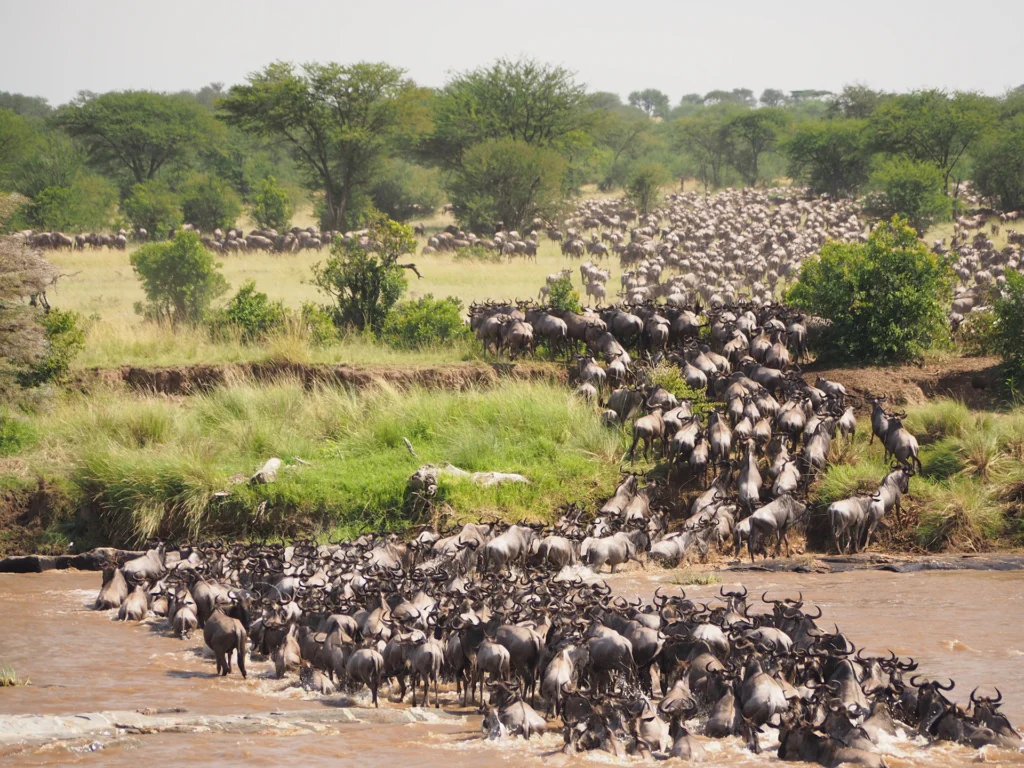
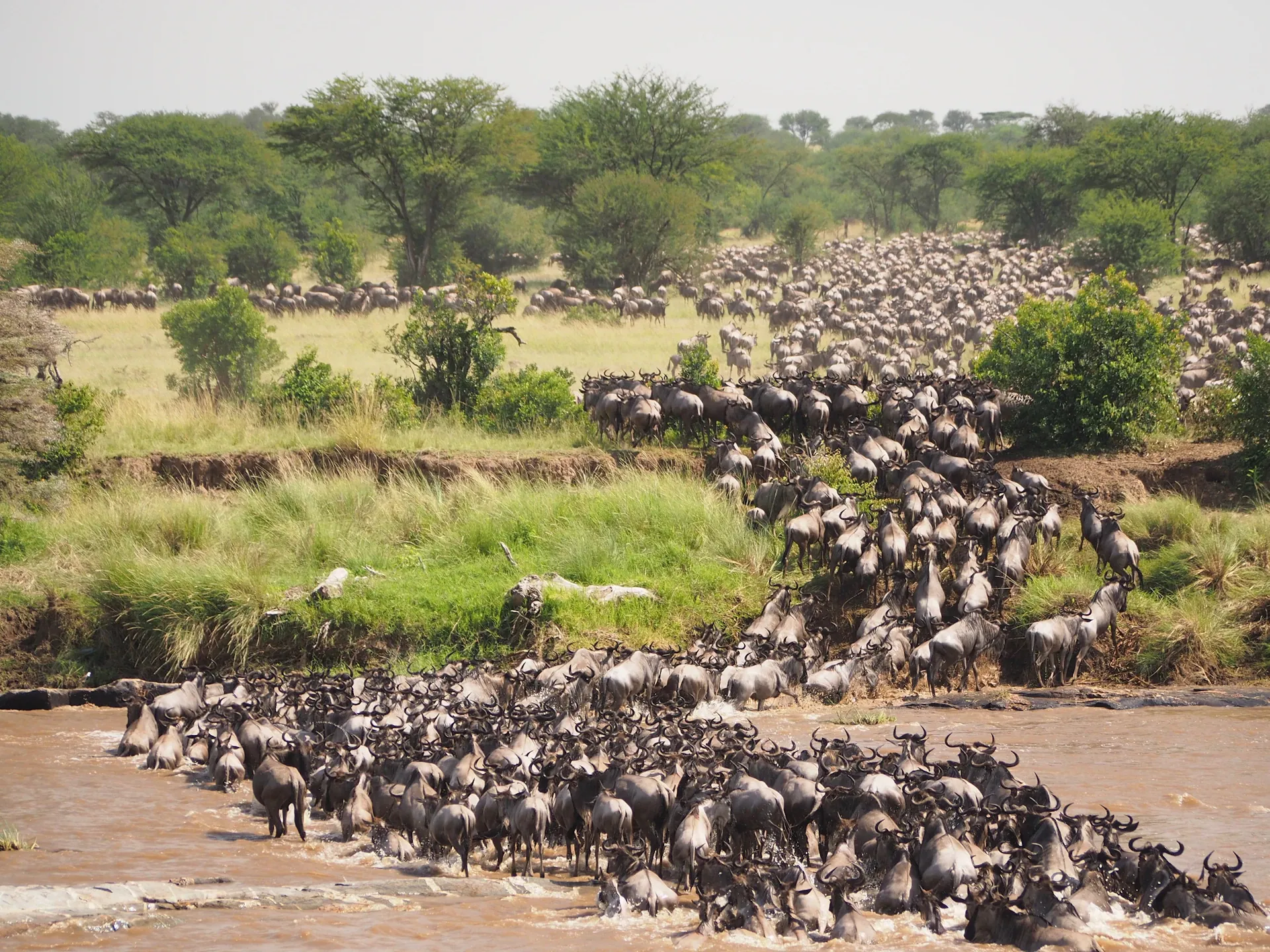
Wildebeest herd crossing the Serengeti

Made to measure

Your Arusha, your way

Tell us how you like to travel and we will build a private journey around it: the right lodges, the right pace and the permits already in hand.

Start planning

Cookies

A few cookies, used gently

Essential cookies keep this site working. With your permission we also remember the safaris and places you have viewed. You can change your mind any time from Cookie settings in the footer.