National Park in Tanzania

Katavi National Park

The wildest park in Tanzania

  • Best May to Oct
  • 4,471 km²
  • 2 safaris
Safaris from
US$7,990 pp
Best time to go
May to Oct
High season
Jun to Oct
Size
4,471 km²
Altitude
About 900 to 1,500 m

Overview

Katavi National Park is one of Africa's last wild corners, a vast, remote wilderness in the far west of Tanzania that is visited by very few people. In the dry season, the Katuma River and its seasonal lakes shrink, and huge numbers of hippos, crocodiles, buffalo and elephants crowd into the water. The scenes, especially from July to October, are among the most dramatic in Africa.

Hippo pods of 100 or more share pools with crocodiles, buffalo herds of a thousand move across the floodplains, and lion prides follow them. Roan, sable, topi and giraffe live in the miombo woodland and grass plains. The camps are tiny, set among trees, and the air is filled with the sounds of the bush.

Katavi suits travellers who want real wilderness, with few other vehicles and a sense of adventure. It pairs well with Mahale.


Pros and cons

  • Pro: Almost no other visitors
  • Pro: Huge hippo pods and large buffalo herds
  • Pro: Walking safaris and fly camping
  • Pro: A true wilderness
  • Con: Very remote and costly to reach
  • Con: Hot and dusty in the dry season
  • Con: Tsetse flies in the woodland

Wildlife

Katavi has some of the largest herds of buffalo in Africa and enormous hippo pods. Elephant, giraffe, zebra, topi, roan, sable antelope, eland and impala live in the woodland and plains, and lions are often seen near the buffalo. Leopards, spotted hyena and crocodiles complete the picture.

Chance of seeing

  • Buffaloherds of hundredsExcellent
  • Hippohuge podsExcellent
  • Nile crocodileExcellent
  • LionGood
  • LeopardAverage
  • ElephantGood
  • Maasai giraffeGood
  • Roan antelopeGood
  • Sable antelopeGood
  • TopiExcellent
  • ElandGood
  • Plains zebraGood

Our estimate for a stay of two or three nights with a good guide. Wildlife is wild, so nothing is promised.

Scenery

The park has wide grass plains, seasonal lakes, ancient tamarind trees and miombo woodland. The Katuma River winds through the middle, and the landscape feels vast and empty.

Activities

  • Game drives: on the floodplains for buffalo, lions and hippo
  • Walking safaris: with an armed ranger
  • Katuma River hippo pools: a stop to watch hippos and crocodiles at close range
  • Fly-camping: a night in the bush under the stars
  • Bird watching: on the lakes and in the woodland

Activities here

  • Birding
  • Game Drives
  • Hiking & Walking

Weather and climate

Katavi is hot and dry for much of the year, with daytime temperatures of 29°C to 34°C and cool nights from June to August. The rains fall from November to April.

Month by monthDay °CNight °CRain (mm)
  1. 31°19°200Jan
  2. 30°19°180Feb
  3. 30°19°230Mar
  4. 30°18°100Apr
  5. 30°16°10May
  6. 29°14°0Jun
  7. 29°14°0Jul
  8. 30°15°0Aug
  9. 32°17°2Sep
  10. 34°19°15Oct
  11. 33°20°60Nov
  12. 31°19°170Dec
Average climate in Katavi National Park
MonthDay °CNight °CRain mm
Jan3119200
Feb3019180
Mar3019230
Apr3018100
May301610
Jun29140
Jul29140
Aug30150
Sep32172
Oct341915
Nov332060
Dec3119170

Approximate long-term averages. Higher ground is cooler, and forests can rain in any month.

Dry season

May to October is dry and hot, with the greatest concentration of wildlife on the shrinking river and lakes. September and October are very hot, and the game viewing is exceptional.

Wet season

The rains bring flooding and many roads close, with camps shut from about January to April. The park is green and the animals are dispersed.

Best time to visit

June to October is the best time, with July to October the most dramatic as pools shrink. Most camps close during the rains.

Best time to visit May to Oct

  1. January: Heavy rains
  2. February: Heavy rains
  3. March: Fair
  4. April: Good
  5. May: Excellent
  6. June: Excellent
  7. July: Excellent
  8. August: Excellent
  9. September: Excellent
  10. October: Excellent
  11. November: Fair
  12. December: Heavy rains

How to get there

Katavi is reached by scheduled or charter flight from Arusha, Mahale or Dar es Salaam, to the Ikuu and Sitalike airstrips. The overland journey is long and rough, so almost every guest flies in.

Permits and fees

Park fees are included in our safaris. Most visitors need a Tanzania visa, applied for online before travel or bought on arrival, and a passport valid for at least six months.

Health and safety

Katavi is remote and hot, so bring sun protection and plenty of water. Tsetse flies can be a nuisance. Medical evacuation is by air. Please take advice on malaria before you travel.

Where it is

UGANDARWANDABURUNDIKENYATANZANIAZAMBIAMALAWIMOZAMBIQUELake TanganyikaLake VictoriaLake BangweuluLake Rukwa Katavi

Our take

“Our take”

Katavi is for travellers who want a wilderness more than a checklist. Walk, sit by the hippo pools, and let it be quiet.

Uwera Travels specialists

Safaris from

US$7,990 per person

Plan your time in Katavi

Every safari we run is private and built around you. Tell us your dates and what you hope to see, and we will shape the route, the lodges and the permits.

Safaris that visit Katavi National Park

6 days

Primates & Rainforest · Private Guided · Walking & Hiking

6 Days Mahale and Katavi Adventure

From US$13,630 pp

View

4 days

Big Five & Wildlife · Private Guided · Walking & Hiking

4 Days Katavi Wilderness Safari

From US$7,990 pp

View

See all 2 Katavi National Park safaris

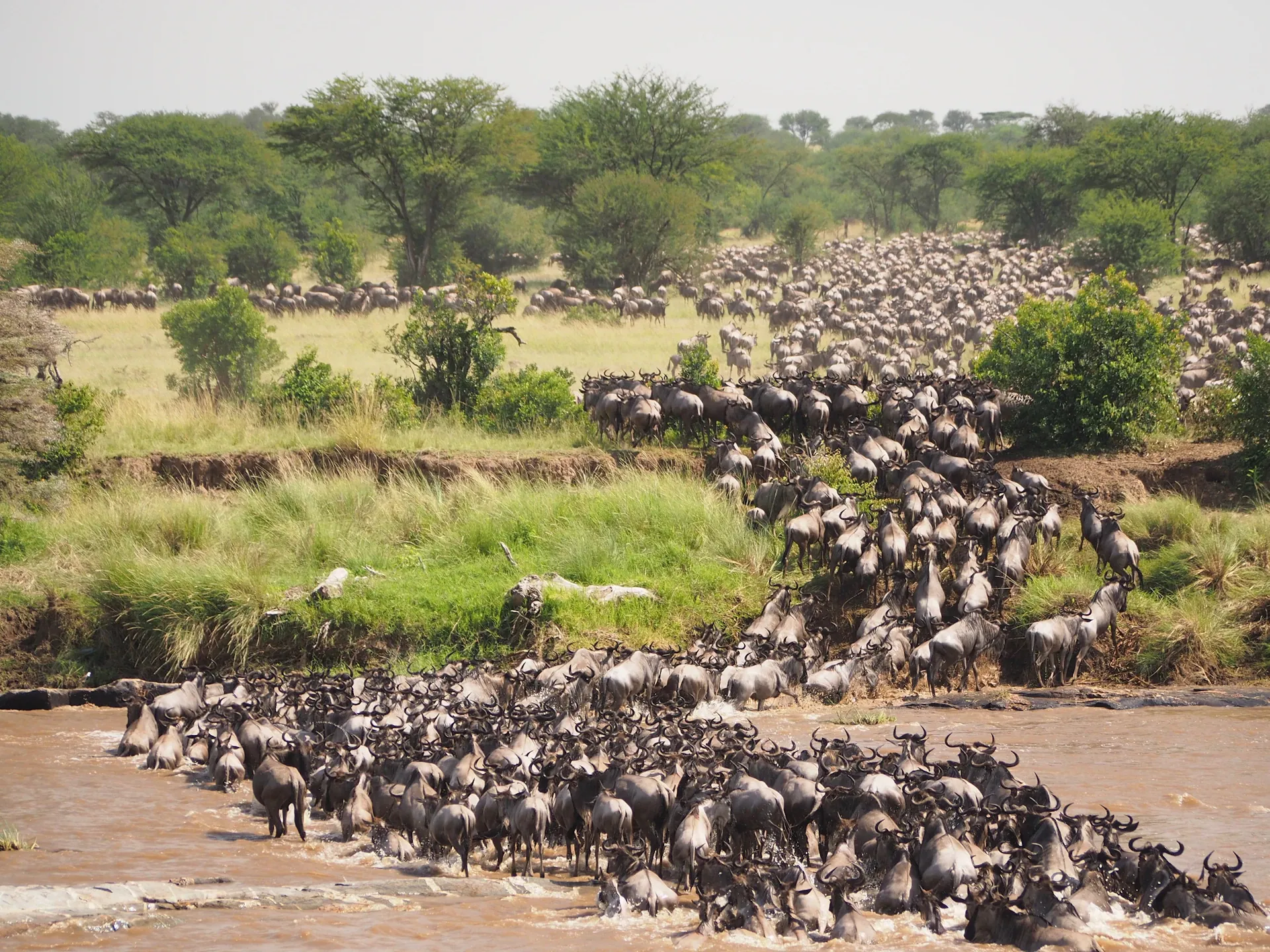
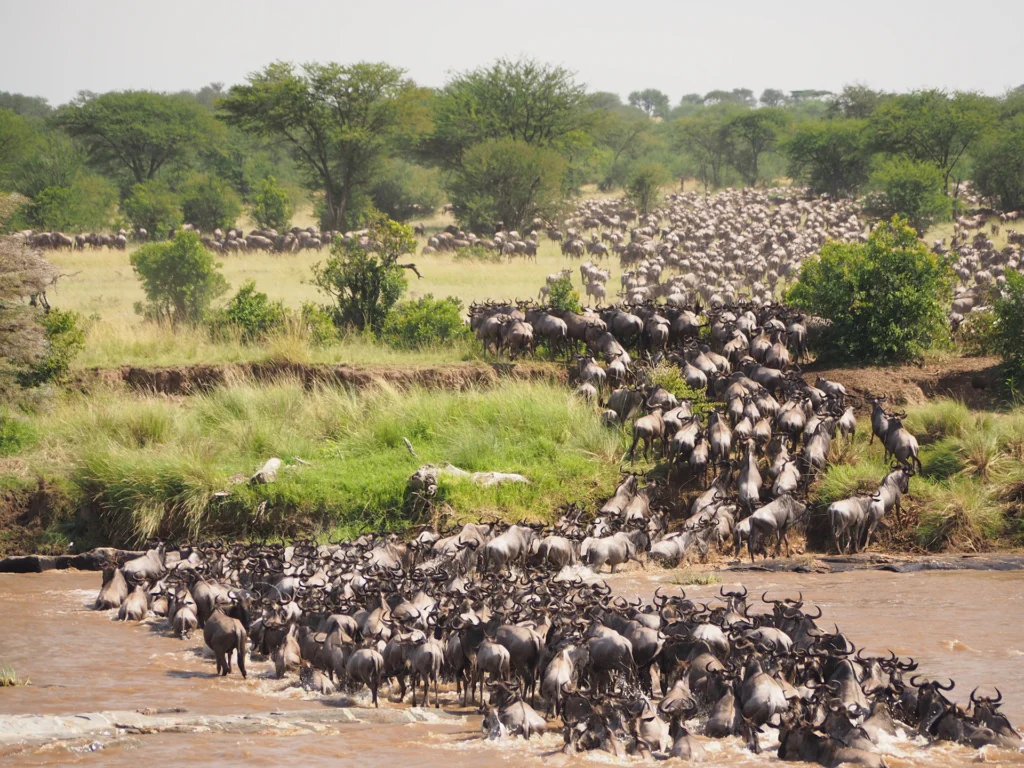
Wildebeest herd crossing the Serengeti

Made to measure

Your Katavi, your way

Tell us how you like to travel and we will build a private journey around it: the right lodges, the right pace and the permits already in hand.

Start planning

Cookies

A few cookies, used gently

Essential cookies keep this site working. With your permission we also remember the safaris and places you have viewed. You can change your mind any time from Cookie settings in the footer.