National Park in Rwanda

Gishwati-Mukura National Park

Rwanda’s restored rainforest

  • Best Jan to Feb, Jun to Sep
  • 34 km²
Best time to go
Jan to Feb, Jun to Sep
High season
Jun to Sep, Dec to Feb
Size
34 km²
Protected since
2015

Overview

Gishwati-Mukura is Rwanda's newest national park, created by law in 2015 from two separate forest fragments on the Congo-Nile Divide, between the Volcanoes and Lake Kivu. Together they cover only about 34 km², but they represent one of the country's great restoration projects. Much of Gishwati was cleared for cattle and farming in the 1990s and 2000s, and it is now being replanted with native trees, with local communities working as guides, rangers and nursery growers.

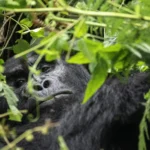
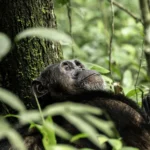
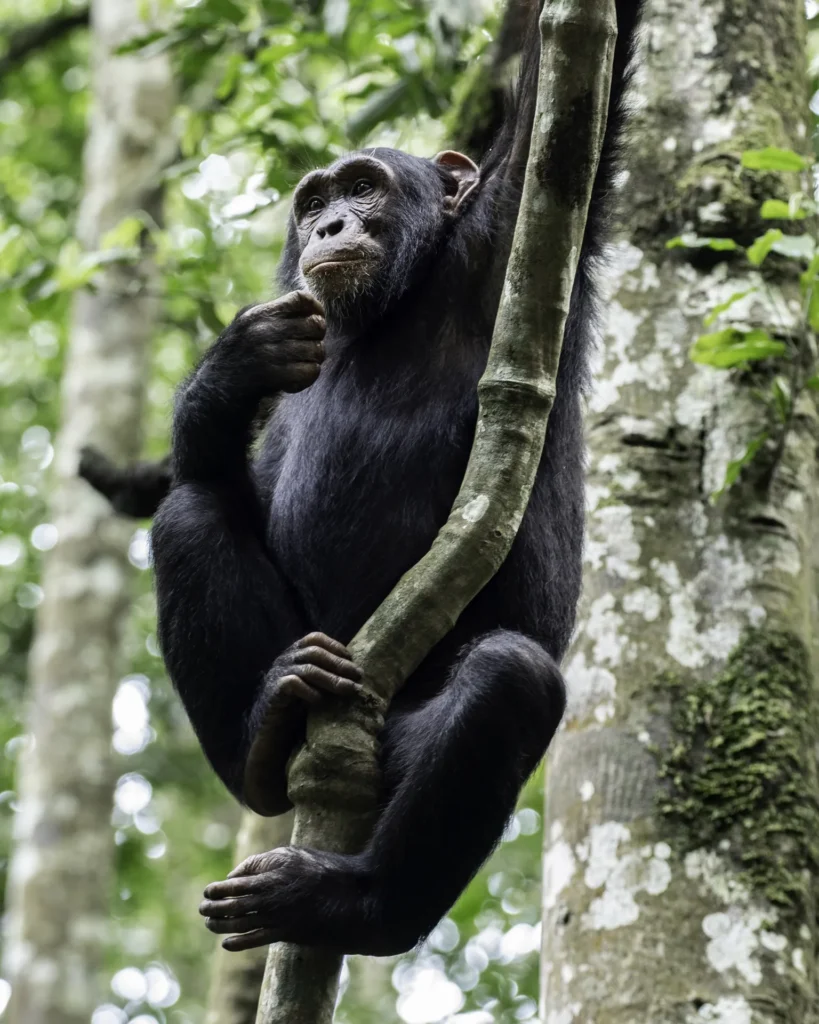
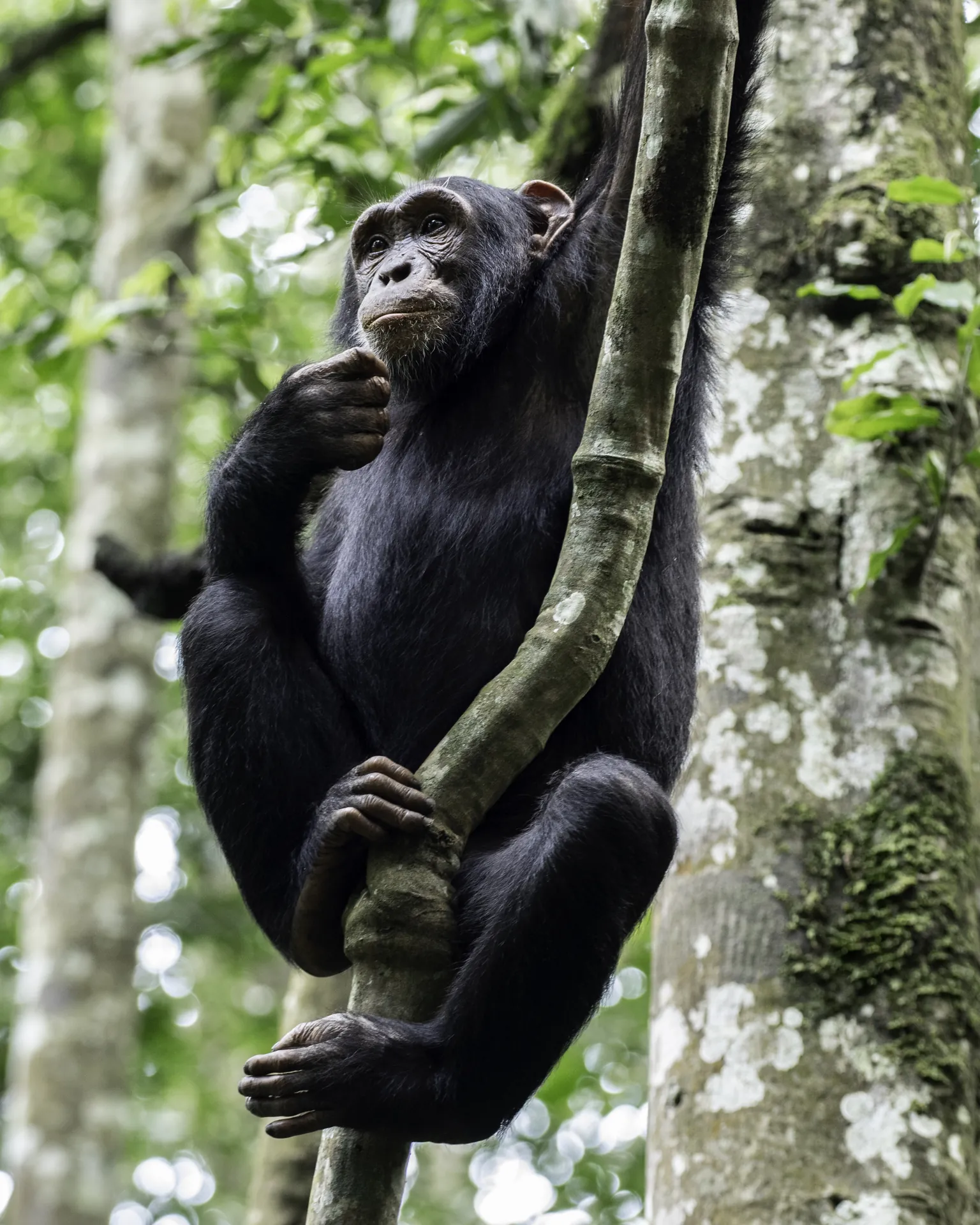
The park is small, quiet and very rarely busy. A small chimpanzee community lives in Gishwati alongside golden monkeys, L'Hoest's monkeys and blue monkeys, and more than 200 bird species have been recorded, including many Albertine Rift endemics. Walks follow forest trails to waterfalls and viewpoints over tea plantations.

We suggest it for travellers who have already seen the gorillas and want a quieter forest experience, or for those who are curious about how Rwanda is rebuilding its forests. It fits easily into a journey between Musanze and Lake Kivu.


Pros and cons

  • Pro: Rwanda's newest park, and very few visitors
  • Pro: Chimps and golden monkeys in a small forest
  • Pro: A living forest restoration project
  • Pro: Community-run walks and visits
  • Pro: Easy stop between Musanze and Lake Kivu
  • Con: Chimp sightings are less reliable than in Nyungwe
  • Con: Tourism facilities are still developing
  • Con: No lodges inside the park, so most visit from Lake Kivu

Wildlife

Gishwati is home to a small community of chimpanzees, which rangers track most mornings, as well as golden monkeys, L’Hoest’s monkeys and blue monkeys. Mukura, the smaller southern block, is more for birds and forest walks. More than 200 bird species have been recorded across the park, including Albertine Rift endemics such as the Rwenzori turaco, the strange weaver and several sunbirds.

Chance of seeing

  • Chimpanzeehabituated groupsAverage
  • Golden monkeyAverage
  • L'Hoest's monkeyAverage
  • Blue monkeyGood
  • Forest birdsGood

Our estimate for a stay of two or three nights with a good guide. Wildlife is wild, so nothing is promised.

Scenery

The forest sits on high, rolling ridges above Lake Kivu, with patches of old-growth forest, bamboo, regenerating woodland and neat tea plantations. From the viewpoints you look west towards the lake and the hills of Congo, and east towards the Virunga volcanoes on clear days.

Activities

  • Chimpanzee trekking in the Gishwati forest
  • Golden monkey tracking in the forest edge and bamboo
  • Birding walks for Albertine Rift endemics
  • Waterfall and forest trails with local guides
  • Community visits to tree nurseries, tea farms and cooperatives

Activities here

  • Birding
  • Chimpanzee Tracking
  • Hiking & Walking

Weather and climate

Gishwati-Mukura is high and cool, with daytime temperatures of around 15 to 22°C and cooler nights. Rain falls mainly in the long rains from March to May and the short rains from October to November, but forest showers are possible at any time of year. Waterproofs and good walking boots are essential.

Month by monthDay °CNight °CRain (mm)
  1. 22°12°120Jan
  2. 22°12°120Feb
  3. 21°12°160Mar
  4. 21°12°200Apr
  5. 21°12°150May
  6. 21°11°40Jun
  7. 21°10°30Jul
  8. 22°11°60Aug
  9. 22°11°110Sep
  10. 21°12°160Oct
  11. 21°12°180Nov
  12. 21°12°130Dec
Average climate in Gishwati-Mukura National Park
MonthDay °CNight °CRain mm
Jan2212120
Feb2212120
Mar2112160
Apr2112200
May2112150
Jun211140
Jul211030
Aug221160
Sep2211110
Oct2112160
Nov2112180
Dec2112130

Approximate long-term averages. Higher ground is cooler, and forests can rain in any month.

Best time to visit

The dry months, June to September and December to February, make walking easier and trails less slippery. The park is quiet all year, so there is no real crowding, and the wetter months have their own lush beauty.

Best time to visit Jan to Feb, Jun to Sep

  1. January: Excellent
  2. February: Excellent
  3. March: Fair
  4. April: Heavy rains
  5. May: Heavy rains
  6. June: Excellent
  7. July: Excellent
  8. August: Excellent
  9. September: Excellent
  10. October: Fair
  11. November: Fair
  12. December: Good

How to get there

Gishwati lies between Musanze and Lake Kivu, about 3 to 4 hours by road from Kigali, and about 1 to 1.5 hours from Rubavu on Lake Kivu. Most of our guests visit as a day trip from a lakeside lodge or on the way between the Volcanoes and the lake.

Permits and fees

Chimpanzee trekking, golden monkey tracking and guided walks require permits from the Rwanda Development Board. They cost far less than gorilla permits and are rarely in short supply, but we still reserve them in advance.

Health and safety

Forest walks can be steep and muddy, so wear sturdy boots and bring a rain jacket. Fitness requirements are lower than for gorilla trekking, but the paths are uneven.

Where it is

UGANDARWANDABURUNDIDR CONGOLake Kivu Gishwati-Mukura

Our take

“A forest coming back”

We like Gishwati for what it tells you about Rwanda as much as for its animals. Walking with a guide who grew up nearby and planted some of the trees you pass is a different kind of safari, slower and more personal. The chimp group is small, so we treat any sighting as a bonus and plan the day around the forest itself. It pairs well with a few nights at Rubavu or Karongi on Lake Kivu.

Uwera Travels specialists

Plan your time in Gishwati-Mukura

Every safari we run is private and built around you. Tell us your dates and what you hope to see, and we will shape the route, the lodges and the permits.

Chimpanzee climbing a forest liana

Made to measure

Your Gishwati-Mukura, your way

Tell us how you like to travel and we will build a private journey around it: the right lodges, the right pace and the permits already in hand.

Start planning

Cookies

A few cookies, used gently

Essential cookies keep this site working. With your permission we also remember the safaris and places you have viewed. You can change your mind any time from Cookie settings in the footer.