
National Park in Kenya

Mount Kenya

Africa’s second-highest mountain
  • Best Jan to Feb, Sep
  • 715 km²
  • 1 safari
Safaris from
US$1,128 pp
Best time to go
Jan to Feb, Sep
High season
Jan to Feb, Aug to Sep
Size
715 km²
Altitude
Point Lenana 4,985 m; Batian 5,199 m

Overview

Mount Kenya is Africa's second-highest mountain, a 5,199 metre extinct volcano that rises from the equator, with glaciers on its peaks and moorland, bamboo forest and giant lobelia on its flanks. It is a UNESCO World Heritage Site, and the trek to Point Lenana at 4,985 metres is one of the great non-technical mountain walks in Africa.

Three main routes climb the mountain: Sirimon, Naro Moru and Chogoria. Chogoria is the most scenic, with sheer cliffs, tarns and the Gorges Valley, and Sirimon is a gentler approach that suits acclimatisation. Most treks take four or five days, with nights in mountain huts or campsites.

Mount Kenya suits walkers who want a high-altitude challenge without technical climbing, and combines naturally with Laikipia and Samburu.

Pros and cons

  • Pro: Trekking on a real equatorial mountain
  • Pro: Forest, moorland and glacial lakes on one trail
  • Pro: Point Lenana is reachable without technical climbing
  • Pro: Easy to combine with Laikipia and Samburu
  • Con: Altitude affects almost everyone
  • Con: Cold and wet at night
  • Con: Clouds often hide the peaks in the afternoon

Wildlife

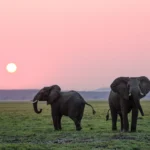
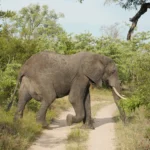
The forest on the lower slopes shelters elephant, buffalo, bushbuck, black-and-white colobus, Sykes’ monkey and giant forest hog. Higher up, rock hyrax and the hardy mountain buzzard live among the lobelia and groundsel. Leopards and spotted hyena live on the mountain but are rarely seen.

Chance of seeing

  • Elephanton the lower forest tracksAverage
  • BuffaloAverage
  • Black-and-white colobusGood
  • Sykes' monkeyExcellent
  • Rock hyraxExcellent
  • BushbuckGood
  • Giant forest hogAverage
  • LeopardRare

Our estimate for a stay of two or three nights with a good guide. Wildlife is wild, so nothing is promised.

Scenery

The mountain rises in a jagged peak above forest, bamboo and heather, with glaciers, tarns and spectacular glacial valleys. The giant lobelia and groundsel plants of the moorland are among the strangest in Africa.

Activities

  • Point Lenana trek: the classic four to five day walk to the third-highest summit
  • Chogoria route: the scenic ascent past Lake Ellis and the Gorges Valley
  • Sirimon route: a gentle ascent through moorland and bamboo
  • Day walks: to the forest edge and the viewpoint at Old Moses
  • Bird watching: in the montane forest and the moorland

Activities here

  • Birding
  • Hiking & Walking
  • Mountain Climbing

Weather and climate

The mountain is cold, with temperatures at the gates around 15°C to 21°C and well below freezing on the summit. Weather changes fast, and clouds often cover the peaks in the afternoon.

Month by monthDay °CNight °CRain (mm)
  1. 20°7°60Jan
  2. 21°8°70Feb
  3. 21°9°120Mar
  4. 19°10°250Apr
  5. 18°9°200May
  6. 17°7°60Jun
  7. 16°6°50Jul
  8. 17°7°70Aug
  9. 19°7°60Sep
  10. 19°8°110Oct
  11. 18°9°190Nov
  12. 19°8°100Dec
Average climate in Mount Kenya
MonthDay °CNight °CRain mm
Jan20760
Feb21870
Mar219120
Apr1910250
May189200
Jun17760
Jul16650
Aug17770
Sep19760
Oct198110
Nov189190
Dec198100

Approximate long-term averages. Higher ground is cooler, and forests can rain in any month.

Dry season

January to March and late August to September are the driest and clearest times, with the best views from the summit. Early starts avoid the afternoon cloud.

Wet season

The long rains from April to June and the short rains in October and November bring snow, mist and slippery tracks, and we avoid trekking during the heaviest weeks.

Best time to visit

January to March and late August to September are the best times to climb, with the clearest weather. Plan for cold nights at any time of year.

Best time to visit Jan to Feb, Sep

  1. January: Excellent
  2. February: Excellent
  3. March: Good
  4. April: Heavy rains
  5. May: Heavy rains
  6. June: Fair
  7. July: Fair
  8. August: Good
  9. September: Excellent
  10. October: Fair
  11. November: Heavy rains
  12. December: Good

How to get there

The park gates at Naro Moru and Sirimon are about 175 kilometres from Nairobi, a drive of around three hours to Nanyuki or Naro Moru. Chogoria is on the eastern side, near Meru. It links easily with Laikipia, Ol Pejeta and Samburu.

Permits and fees

Park and climbing fees are included in our packages, and guides and porters are mandatory. Most visitors need a Kenya eTA arranged online before travel, and a passport valid for at least six months.

Health and safety

Altitude sickness is the main risk, so we build in rest days and a slow ascent. You should be fit and comfortable walking for six to eight hours. Please ask your doctor about altitude medication, and carry good travel insurance that covers trekking above 4,000 metres.

Where it is

UGANDAKENYATANZANIASOUTH SUDANETHIOPIASOMALIALake Turkana Mount Kenya

Our take

“Our take”

Do not rush the mountain. Four days is possible for fit trekkers, but an extra day for acclimatisation makes the summit morning far more enjoyable.

Uwera Travels specialists

Safaris from

US$1,128 per person

Plan your time in Mount Kenya

Every safari we run is private and built around you. Tell us your dates and what you hope to see, and we will shape the route, the lodges and the permits.

Safaris that visit Mount Kenya

4 days

Adventure · Private Guided · Walking & Hiking

4 Days Mount Kenya Trek, Sirimon Route

From US$1,128 pp

View

See all 1 Mount Kenya safari

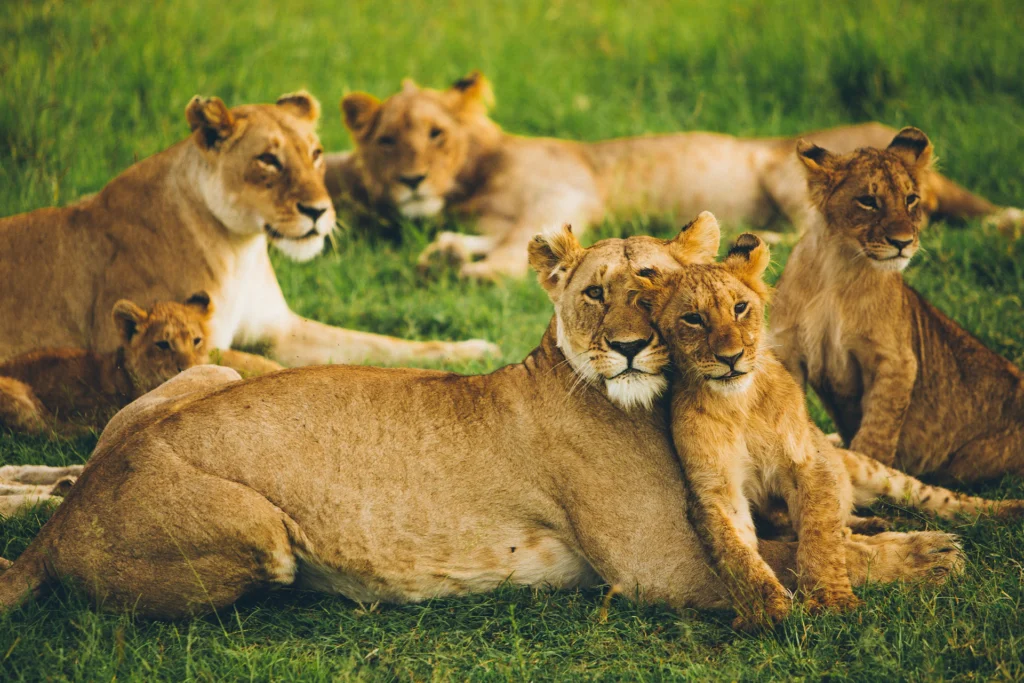
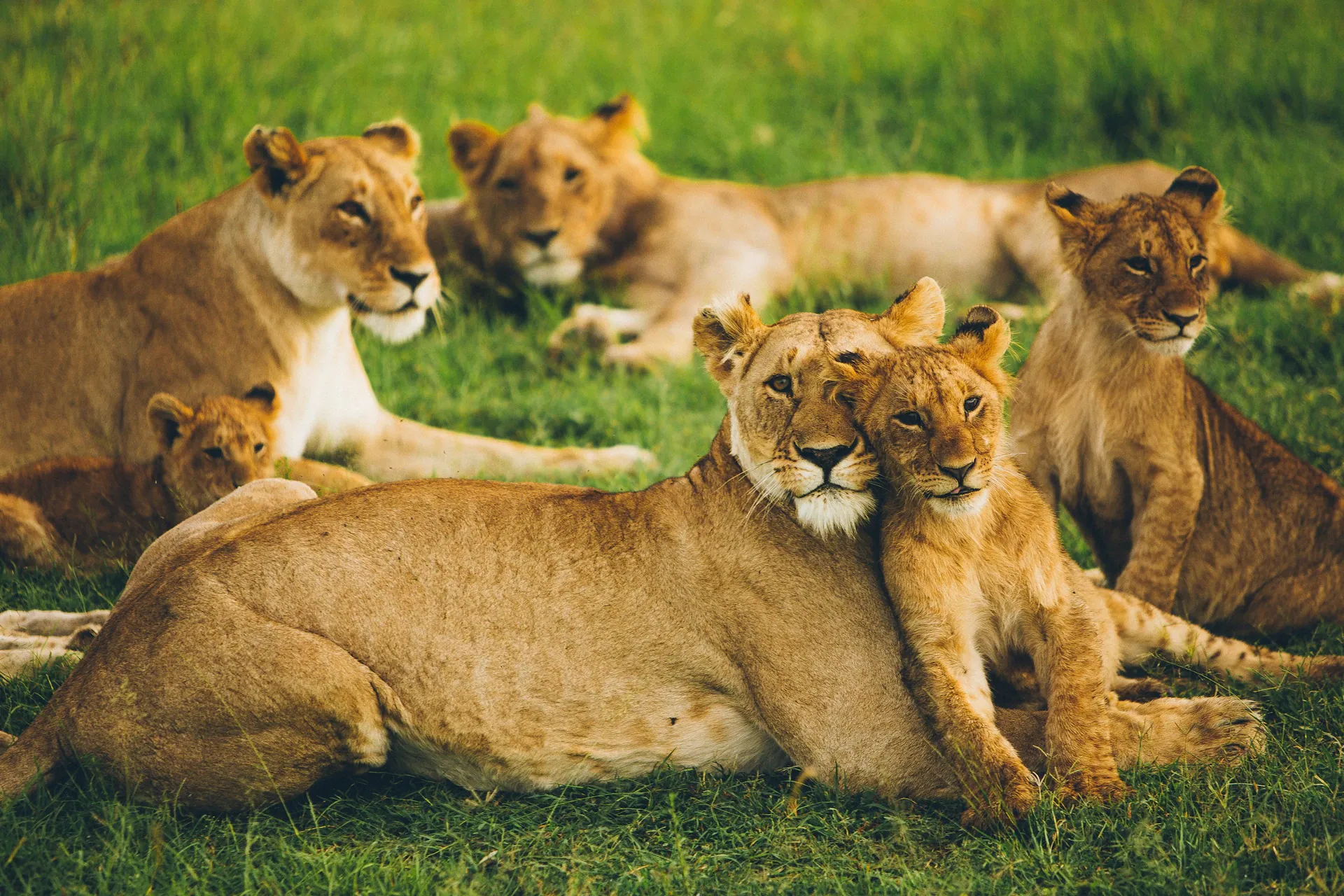
Lion pride in the Masai Mara

Made to measure

Your Mount Kenya, your way

Tell us how you like to travel and we will build a private journey around it: the right lodges, the right pace and the permits already in hand.

Start planning

Cookies

A few cookies, used gently

Essential cookies keep this site working. With your permission we also remember the safaris and places you have viewed. You can change your mind any time from Cookie settings in the footer.