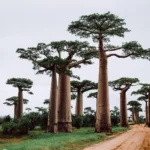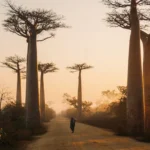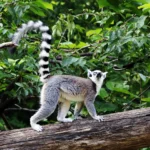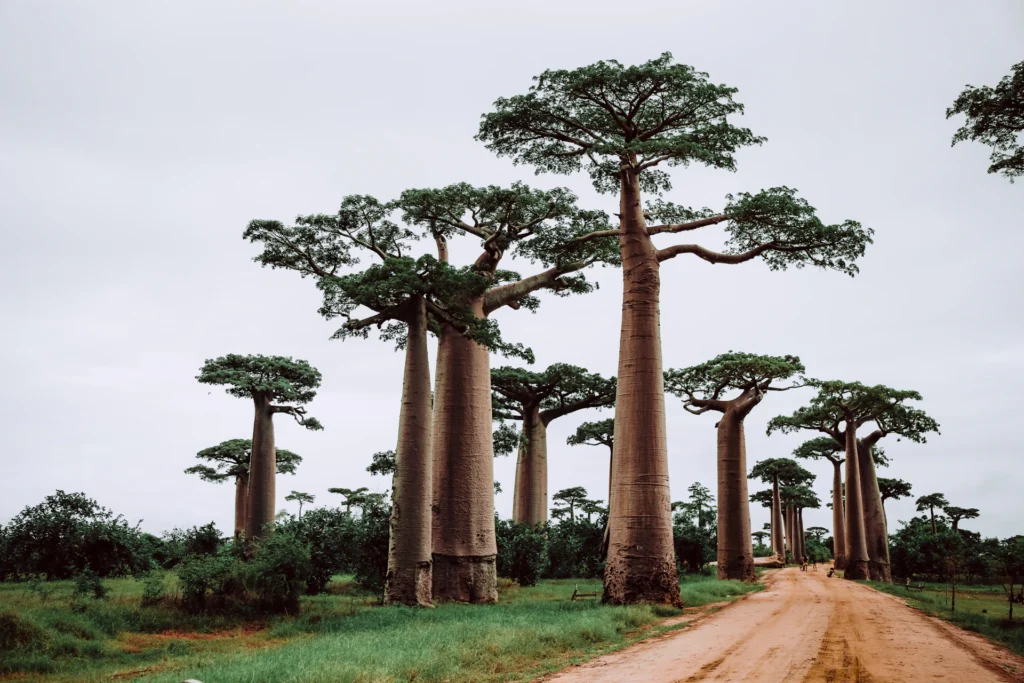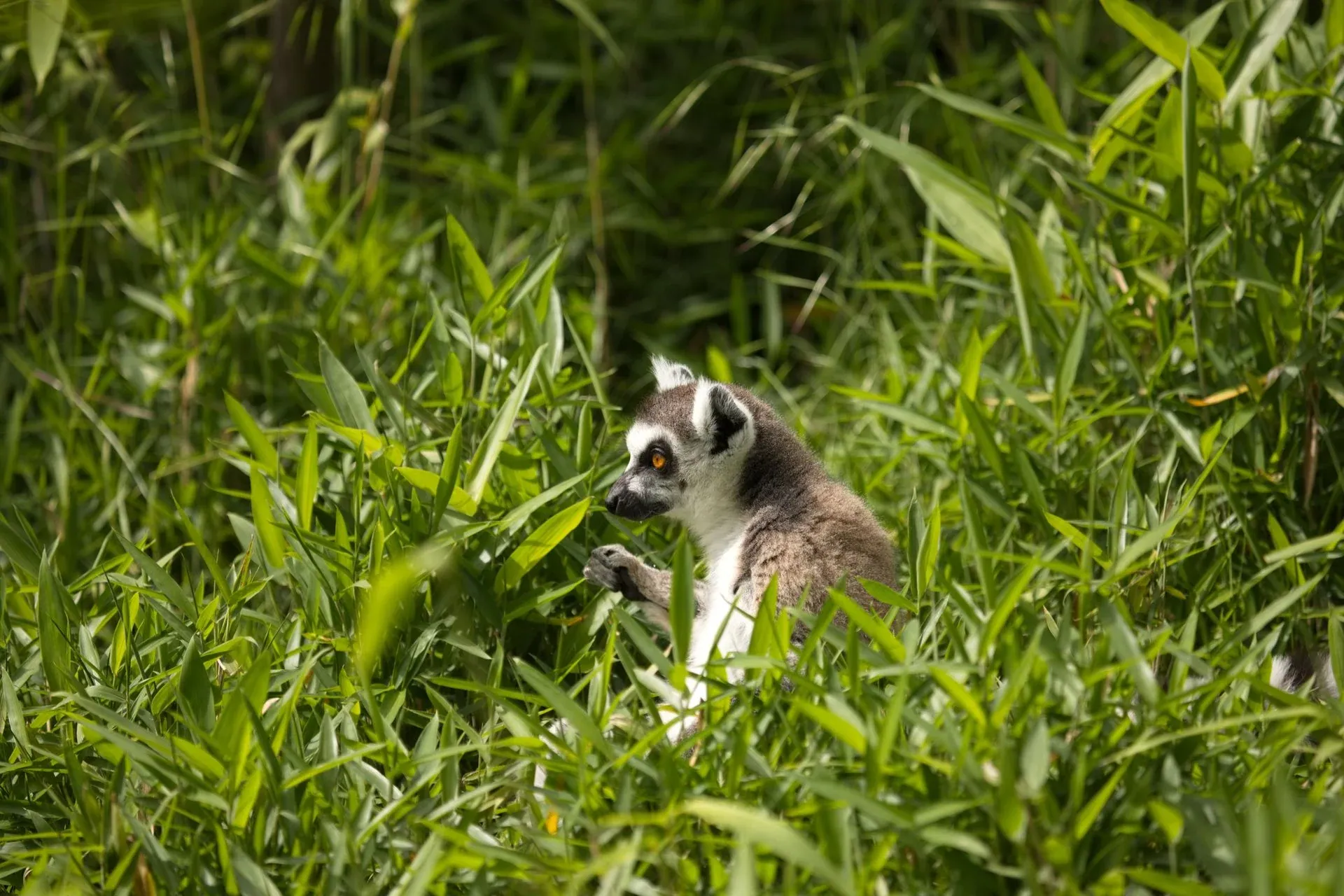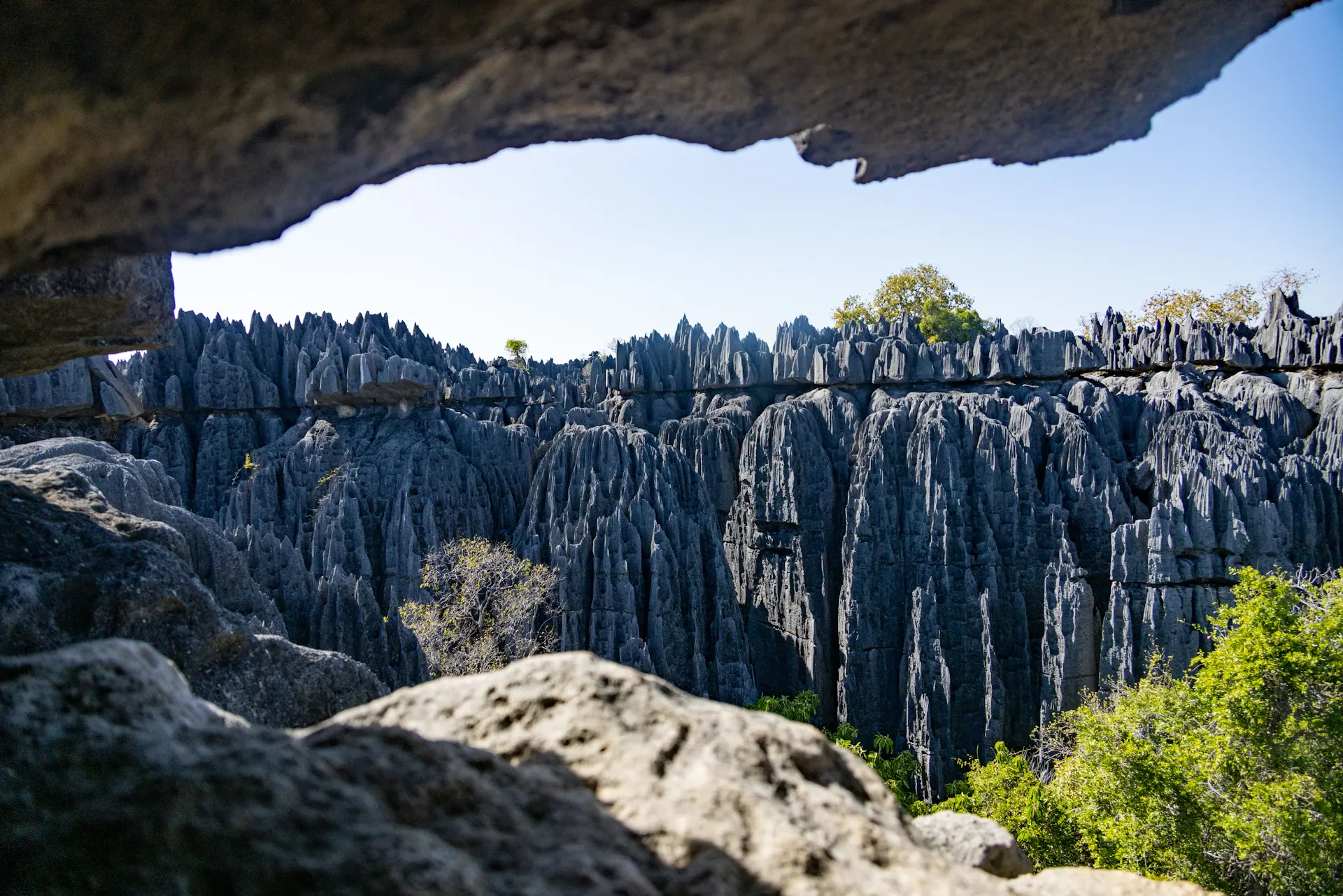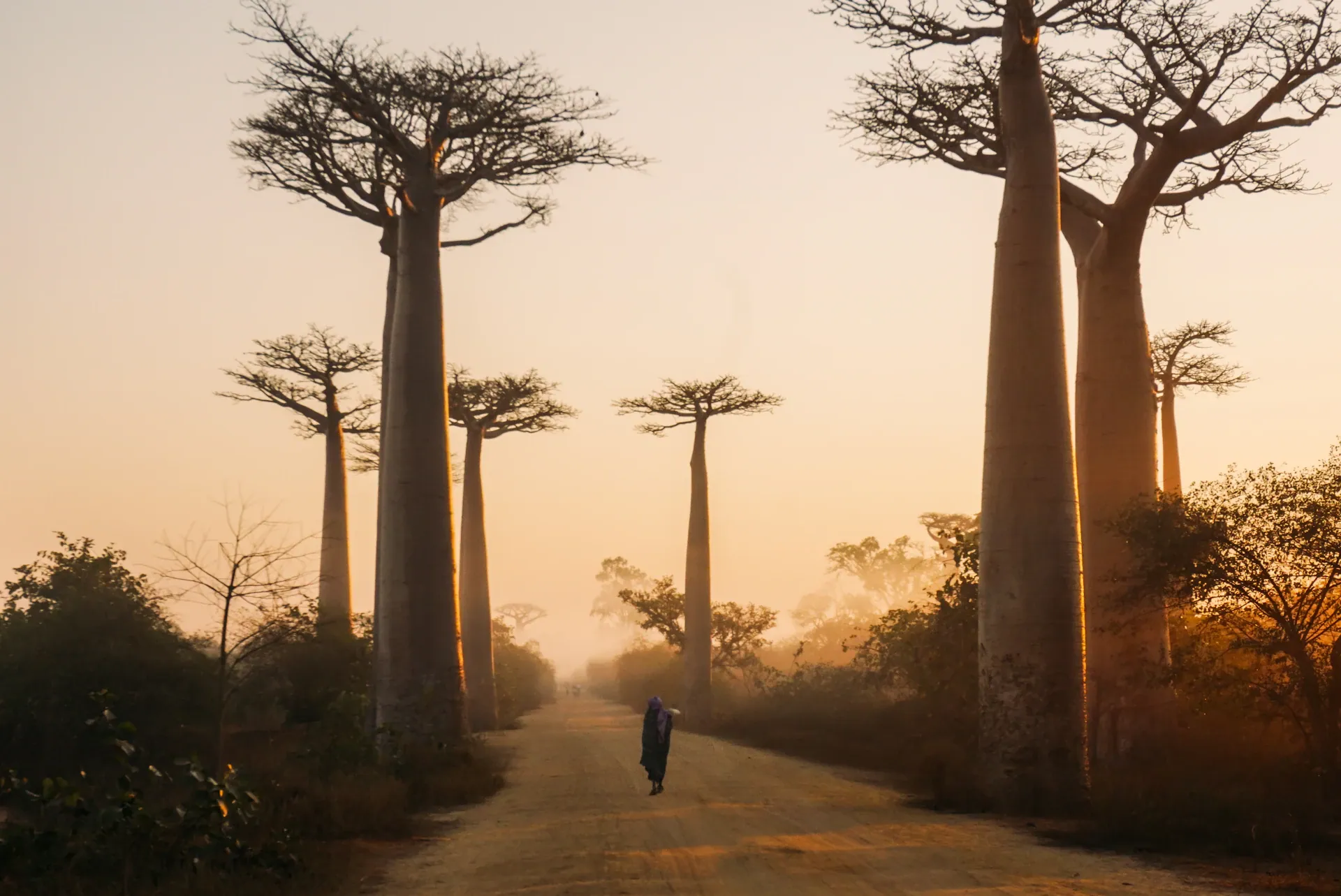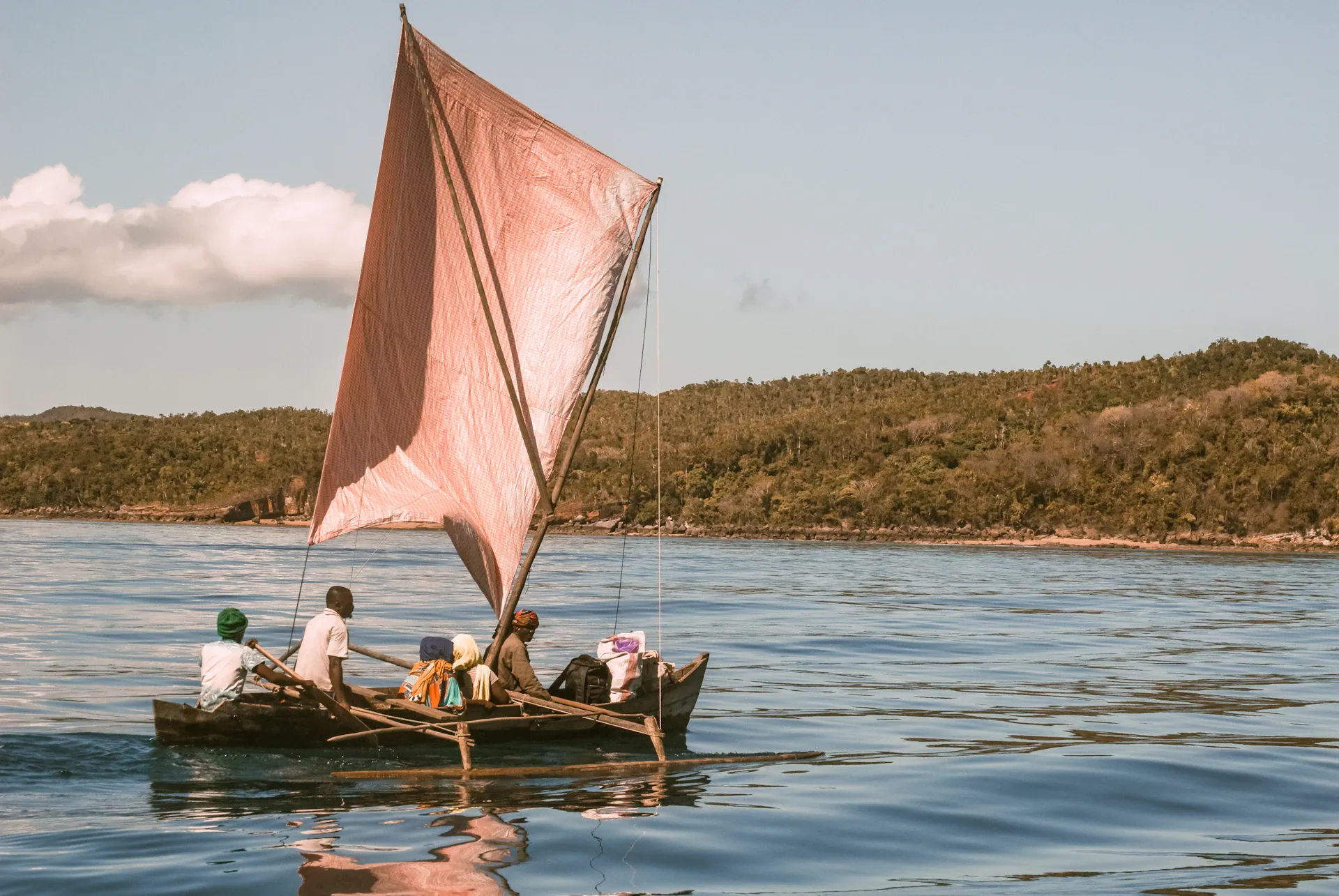

Madagascar is not like anywhere else on earth. Separated from Africa for about 90 million years, it evolved its own world: more than 100 species of lemur, chameleons the size of a thumbnail, baobabs that look like they were planted upside down, and a forest of limestone blades called the tsingy.
It is a country for walking and watching rather than for game drives. You find the indri singing in the rainforest, ring-tailed lemurs on the sandstone of Isalo, and sifakas dancing across the road, and you rest on the lagoon at Ifaty or the island beaches of Nosy Be and Sainte Marie.
The roads are slow and the days long, so we plan carefully, with flights to cut the longest drives, comfortable lodges, and guides who know every tree and every lemur family.
Madagascar is home to more than 100 species of lemur, from the tiny mouse lemur to the indri, along with the fossa, a cat-like predator found only here, and more than half of the world’s chameleon species. The forests of the east have the indri, golden bamboo lemurs and diademed sifakas, the south has ring-tailed lemurs and Verreaux’s sifakas, and the coast has humpback whales between July and September.
Chance of seeing
Our estimate for a stay of two or three nights with a good guide. Wildlife is wild, so nothing is promised.
Popular activities
Madagascar has a wide range of weather. The high plateau around Antananarivo is mild, with cool nights in winter, the east is warm and wet, the south is hot and dry, and the west is hot with a long dry season. The cyclone season runs from January to March.
| Month | Day °C | Night °C | Rain mm |
|---|---|---|---|
| Jan | 26 | 17 | 285 |
| Feb | 26 | 17 | 240 |
| Mar | 25 | 17 | 180 |
| Apr | 24 | 15 | 60 |
| May | 22 | 12 | 20 |
| Jun | 20 | 10 | 10 |
| Jul | 19 | 9 | 10 |
| Aug | 20 | 9 | 10 |
| Sep | 23 | 11 | 10 |
| Oct | 25 | 13 | 40 |
| Nov | 26 | 15 | 150 |
| Dec | 26 | 16 | 280 |
Approximate long-term averages. Higher ground is cooler, and forests can rain in any month.
The dry season runs from April to October, with warm days, cool nights on the plateau and little rain, and it is the best time for walking and for the Tsingy.
The rains fall from November to March, with the heaviest rain and cyclones from January to March. The landscape turns green, but many roads become difficult and the Tsingy close.
April to October is the dry season and the best time to visit, with May to October the most comfortable. The Tsingy can only be visited in the dry season, and we recommend June to mid-October, whale watching is from July to September, and lemur viewing is good all year. January to March is the cyclone season, with heavy rain and difficult roads.
Best time to visit Jun to Oct
National ParkAndasibe-Mantadia National ParkThe haunting song of the indri9 safaris
City & TownAntananarivoThe highland capital13 safaris
National ParkIsalo National ParkSandstone canyons and natural pools7 safaris
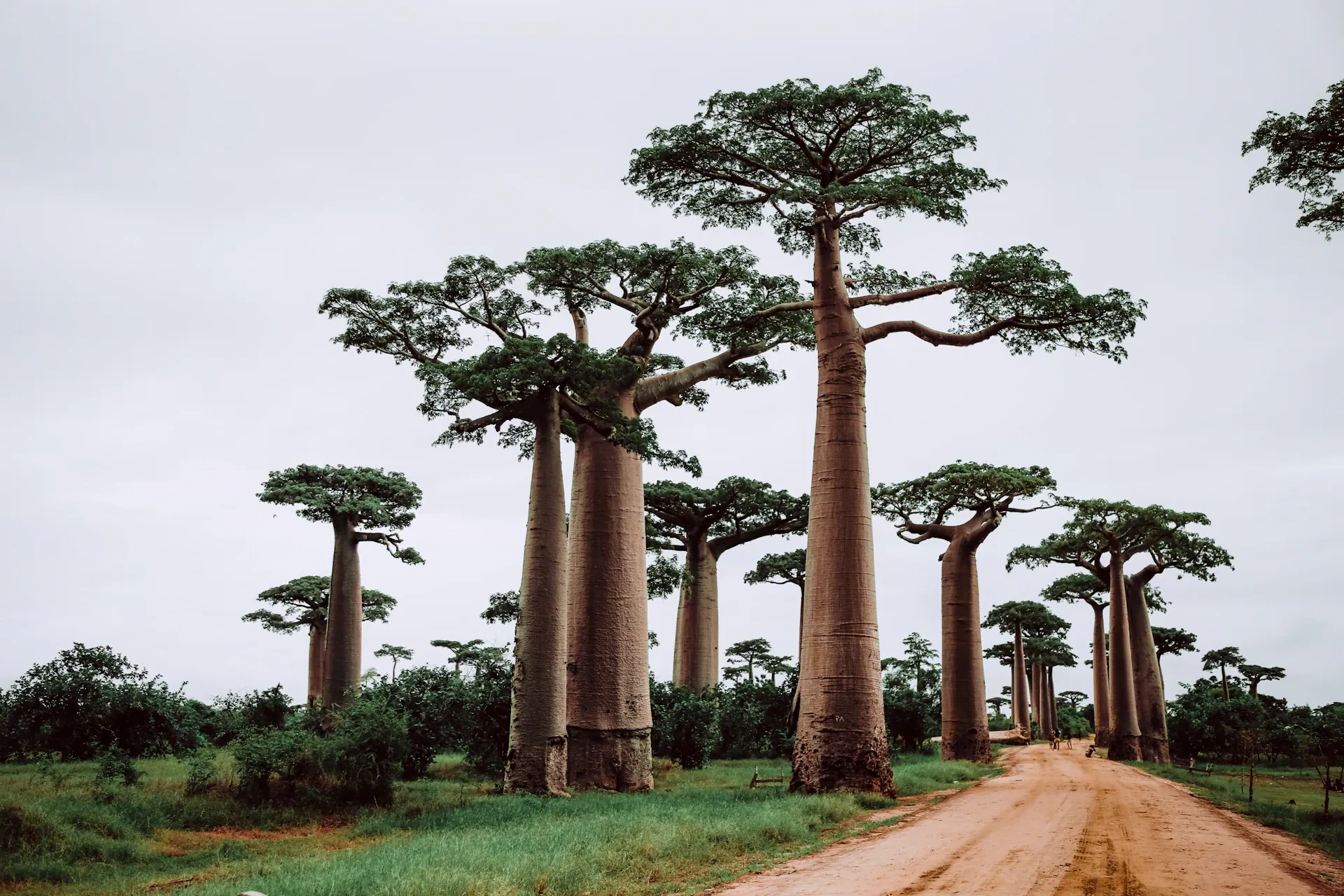
Scenic AreaMorondava and the Avenue of the BaobabsGiant baobabs at sunset4 safaris
Beach & CoastNosy BeIslands, reefs and turquoise water4 safaris
National ParkRanomafana National ParkRainforest and the golden bamboo lemur5 safaris
National ParkTsingy de BemarahaA forest of stone needles3 safarisMost travellers arrive at Ivato International Airport in Antananarivo, about 30 minutes from the city, with flights from Paris, Nairobi, Johannesburg and the Indian Ocean islands. Domestic flights link Antananarivo with Nosy Be, Tulear, Morondava, Sainte Marie and Diego Suarez, and we combine road and air to save the longest drives.
Most visitors need a visa, which can be bought on arrival or applied for online, but the rules and fees change, so please check the current requirements for your nationality. Park and reserve fees are charged per person and are included in our safaris. A yellow fever certificate may be needed if you arrive from a country with a risk of yellow fever.
Stays of up to 15 days need no visa for some nationalities, but a small fee is charged on arrival and you must show a return or onward ticket. Longer stays need a 30 or 60 day tourist visa, which you can buy on arrival or apply for online. Your passport must be valid for at least six months after you arrive and have two blank pages, and every traveller completes a health declaration on arrival. Because of the Ebola outbreak in the Democratic Republic of Congo, anyone who has been in or travelled through an affected country in the last 21 days may be refused entry, so please tell us your full route when you enquire. Rules differ by nationality and change often, so check yours before you book.
Please talk to your doctor about vaccinations, including typhoid. The coast and the lowlands are in a malaria area, so take advice on prophylaxis, and use repellent in the evenings. Carry travel insurance that covers medical evacuation, and bring sun protection, sturdy shoes and a torch for night walks.
Our take
“Take your time”
Madagascar rewards patience. The drives are long, and the best moments are on foot, at dawn and at night, so we always suggest at least ten days, with two nights in each place. Fly where it saves a long day, and tell us your travel month early, because the Tsingy are closed from about November to April, and whale watching is only from July to September.
Safaris from
US$1,034 per person
Plan your time in Madagascar
Every safari we run is private and built around you. Tell us your dates and what you hope to see, and we will shape the route, the lodges and the permits.

Made to measure
Tell us how you like to travel and we will build a private journey around it: the right lodges, the right pace and the permits already in hand.
Start planningCookies
Essential cookies keep this site working. With your permission we also remember the safaris and places you have viewed. You can change your mind any time from Cookie settings in the footer.